Sustainable Aquaculture Systems and Technological Adaptation in Arid Climates
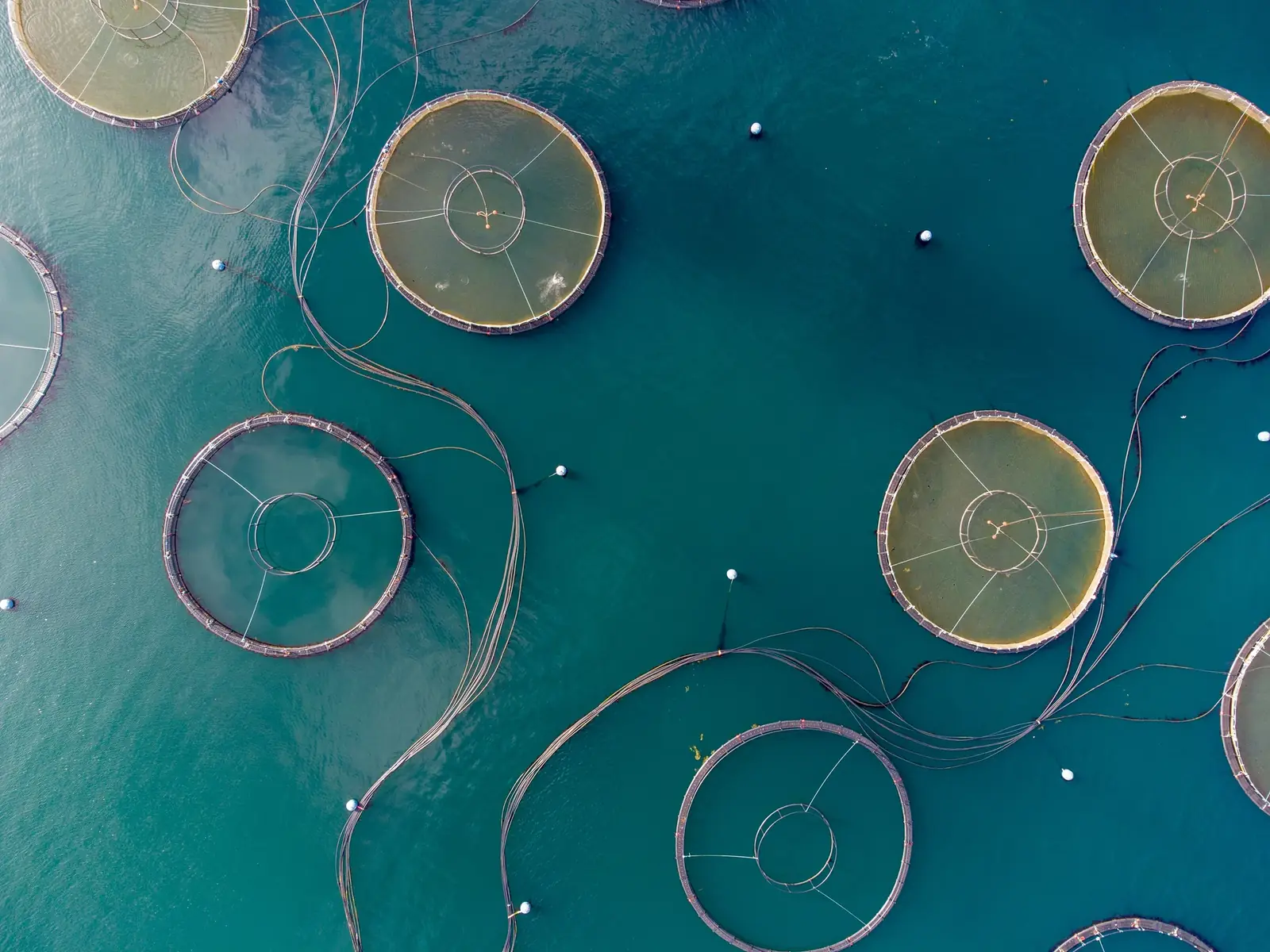
Advances in Recirculating Aquaculture Systems (RAS) and open-sea cage farming are transforming aquaculture into a sustainable and efficient industry adapted to arid coastal environments. In RAS facilities, water is continuously filtered, oxygenated, and treated through biofiltration and UV sterilization, drastically reducing consumption and improving biosecurity. Meanwhile, open-sea cages positioned in deeper, well-oxygenated waters allow for natural water exchange and enhanced fish welfare. The integration of IoT-based sensors, automated feeding systems, and AI-driven water-quality monitoring ensures precise control over temperature, salinity, and dissolved oxygen—critical in regions where extreme heat and evaporation can stress aquatic species. Native fish such as sea bream, yellowfin seabream, and grouper are being prioritized for their resilience to local conditions and efficient feed conversion. Genetic and nutritional studies help optimize growth rates and disease resistance while reducing dependence on imported species. These innovations establish a circular, data-informed aquaculture model that supports both food security and environmental balance in desert and coastal ecosystems.
Native Species Adaptation, Health Monitoring, and Integrated Growth Management
The adaptation of native marine species to controlled and open farming systems represents a major breakthrough for aquaculture sustainability in arid zones. By leveraging continuous health monitoring and behavioral analytics, producers can detect early signs of stress or infection, minimizing antibiotic use and mortality rates. Advanced imaging and computer vision tools assess growth patterns, feeding behavior, and morphology to optimize feed regimes and reduce waste. Water chemistry sensors integrated with AI platforms provide real-time data on pH, ammonia, and nutrient levels, creating predictive models for maintaining ideal rearing conditions. The focus on local biodiversity, combined with selective breeding and microbiome research, strengthens disease resistance and enhances productivity under high-temperature, high-salinity conditions. These integrated methods bridge marine science and precision engineering, positioning sustainable aquaculture as a viable food-production model tailored to the challenges of the Gulf’s arid coastal environments