AI-Driven Precision Monitoring for Camel Training and Performance
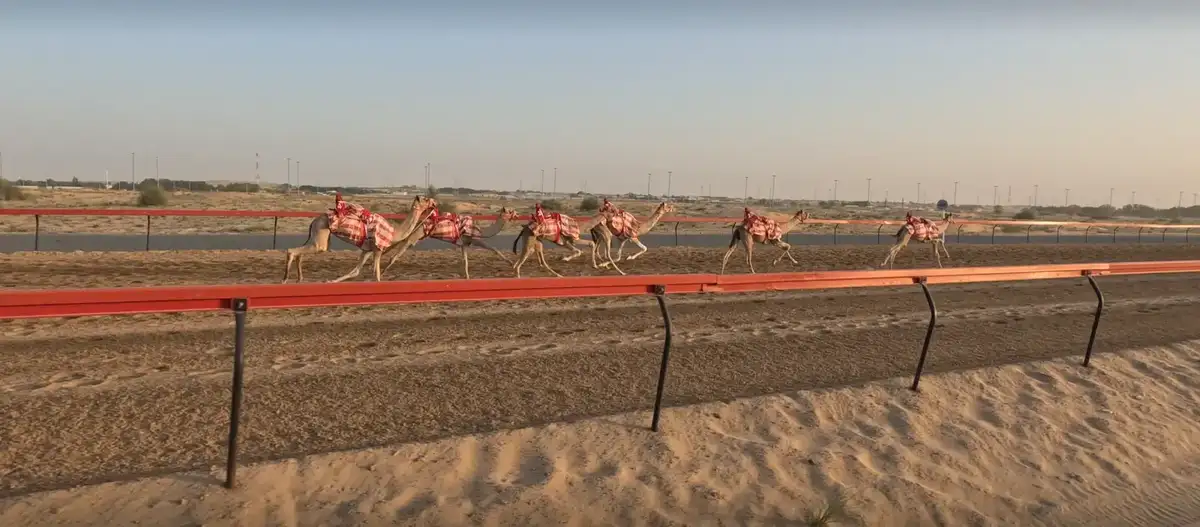
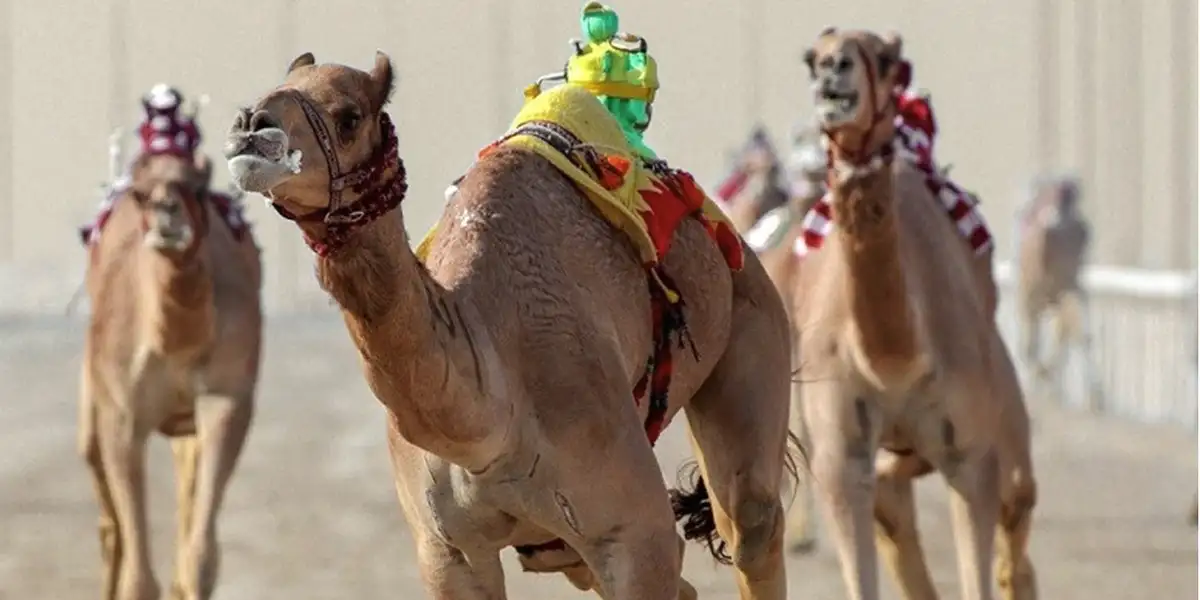
The integration of AI, IoT, and computer vision is revolutionizing the camel racing industry by providing objective, continuous, and data-driven insights into animal performance and welfare. Through high-resolution cameras, wearable sensors, and motion-tracking systems, each camel’s movement, posture, and stride dynamics are analyzed in real time. These systems capture parameters such as gait symmetry, heart rate, acceleration, and recovery time, transforming them into digital biomarkers that reflect fitness and readiness for competition. Deep-learning algorithms, including YOLOv8 and pose-estimation models, detect subtle behavioral changes associated with fatigue, stress, or reproductive phases, allowing trainers to adjust workloads before injuries occur.
Machine-learning models continuously learn from accumulated training data, improving predictive accuracy for performance forecasting and optimal race preparation. IoT-enabled dashboards centralize data from multiple farms, enabling remote supervision and comparative analytics across training sessions, environmental conditions, and nutrition plans. The integration of edge computing ensures immediate feedback loops between devices and trainers, even in remote desert tracks. This technological ecosystem not only enhances racing outcomes but also establishes new standards for animal ethics, enabling evidence-based decision-making that prioritizes both performance and welfare within a sustainable racing framework.
Behavioural Analytics, Smart Infrastructure, and Cultural Innovation
Modern camel training now merges heritage and high technology, preserving cultural traditions while introducing cutting-edge analytical systems that redefine animal management. Through behavior analysis powered by AI vision models, trainers can interpret rest, feeding, and social interaction patterns without physical interference. Video analytics detect anomalies such as anxiety, aggression, or reduced activity, which may indicate stress or underlying health issues. IoT collars and environmental sensors correlate these behaviors with temperature, humidity, and air quality, offering a holistic view of the camel’s physical and psychological state. This data-centric approach transforms training from intuition-based routines into measurable, adaptive strategies.
Cloud-based analytics platforms integrate multi-year datasets to identify long-term behavioral trends, supporting breeding selection and genetic improvement programs. Predictive alerts notify caretakers when a camel’s performance metrics deviate from its historical baseline, enabling early intervention. Moreover, AI-powered video documentation enhances transparency for veterinarians and racing authorities, strengthening regulatory compliance. By coupling traditional expertise with intelligent systems, the program symbolizes a new era of “smart heritage”—where cultural identity, scientific innovation, and animal welfare converge to position camel racing as both a technological frontier and a living expression of the region’s heritage.