Desert Greening Through Water Catchment and Native Vegetation Systems
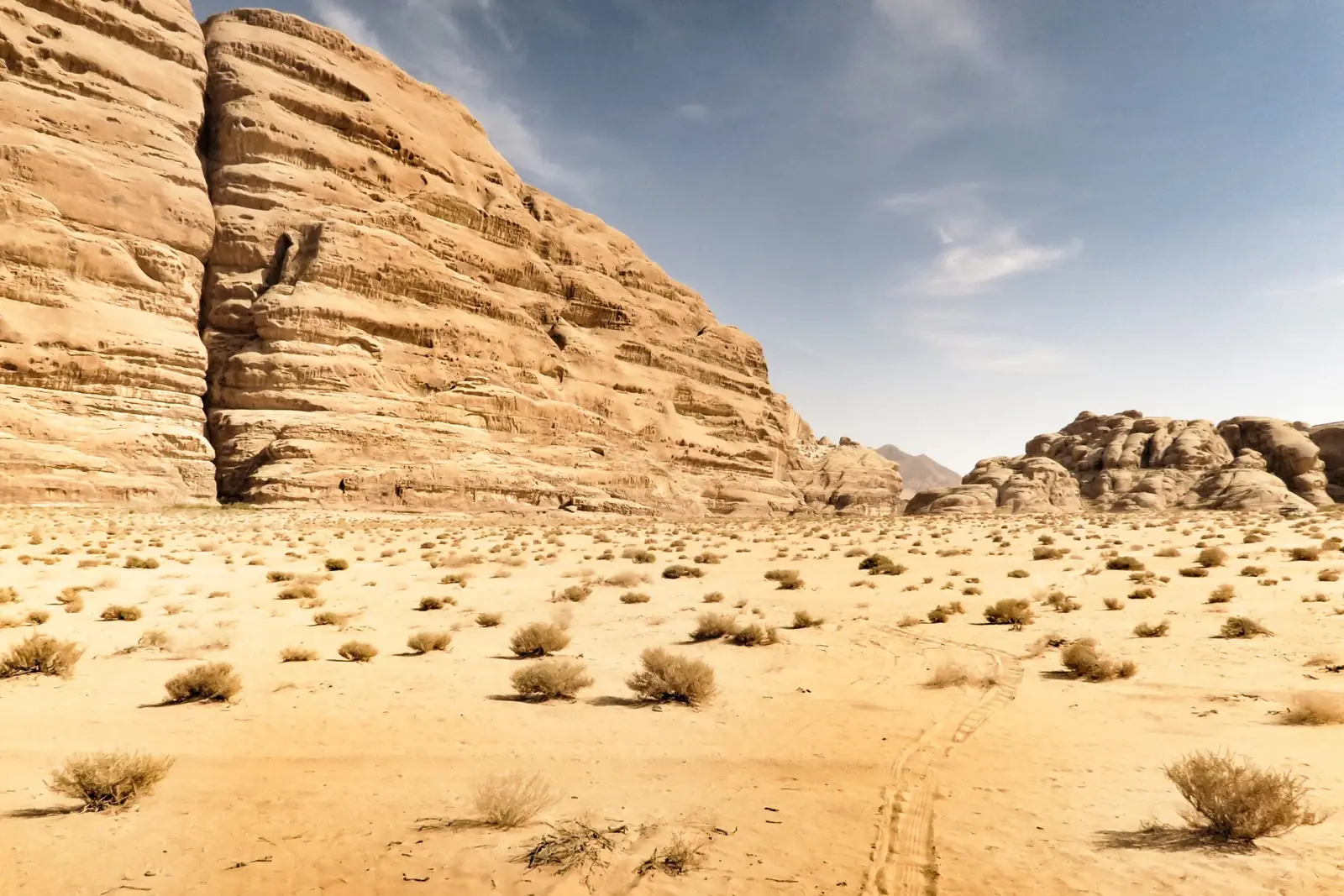
Desert greening is no longer a distant vision—it is a practical strategy rooted in hydrological engineering and ecological adaptation. By deploying water catchment structures such as infiltration basins, check dams, and contour ridges, scarce rainfall is captured and directed into areas where it can sustain plant growth throughout the year. These systems create localized zones of higher soil moisture and reduced surface runoff, gradually building fertile microhabitats. Integrating native desert plants like Acacia tortilis, Prosopis cineraria, and Moringa peregrina enhances long-term sustainability, as these species are evolutionarily adapted to withstand drought and high salinity. Their deep root systems stabilize soil and promote natural groundwater recharge. Combining these methods with IoT soil-moisture sensors and satellite-based monitoring ensures efficient water use and precise control of vegetation establishment. Together, they form the backbone of modern desert restoration, turning degraded, arid land into functional, self-sustaining green corridors.
The Canopy Effect: Natural Climate Moderation and Evapotranspiration Reduction
A key principle in desert ecosystem regeneration is the creation of a multi-layered plant canopy that regulates microclimates and reduces evapotranspiration losses. The canopy effect arises when strategically arranged native trees, shrubs, and groundcovers act as natural shade systems, lowering surface temperatures and trapping humidity near the soil. This living barrier slows wind erosion, retains soil moisture, and minimizes the impact of solar radiation—allowing understorey plants to thrive even during dry seasons. Over time, accumulated organic matter from leaf litter enhances soil fertility and microbial activity, further improving water retention capacity. Integrating this ecological design with precision irrigation, mulching, and water-harvesting basins multiplies the cooling and moisture-preserving benefits. The result is a regenerative landscape where water efficiency, native biodiversity, and carbon sequestration work in harmony—transforming barren deserts into resilient ecosystems capable of sustaining life while mitigating the effects of climate change.