Embedded Engineering and PCB Design for Industrial Innovation
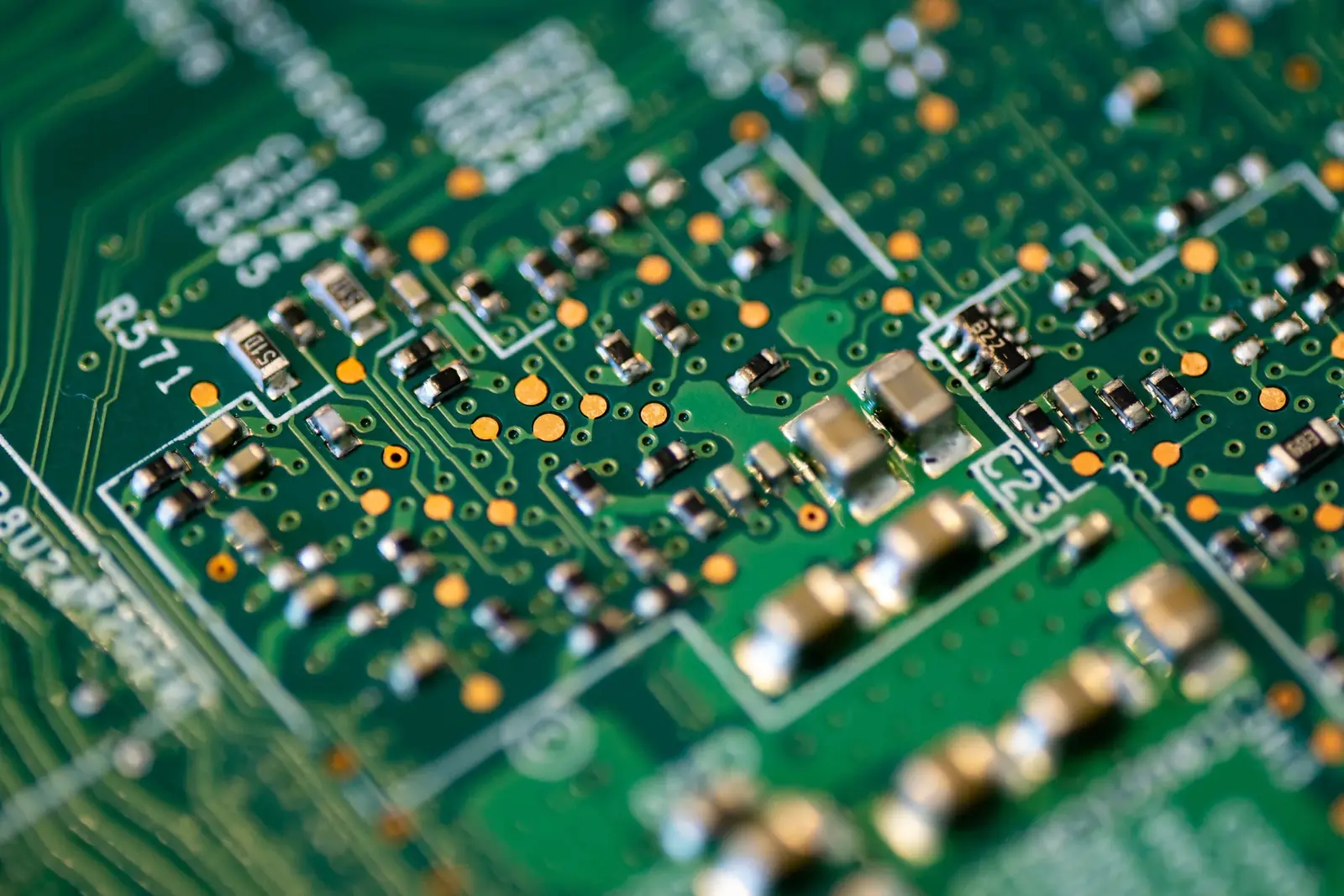
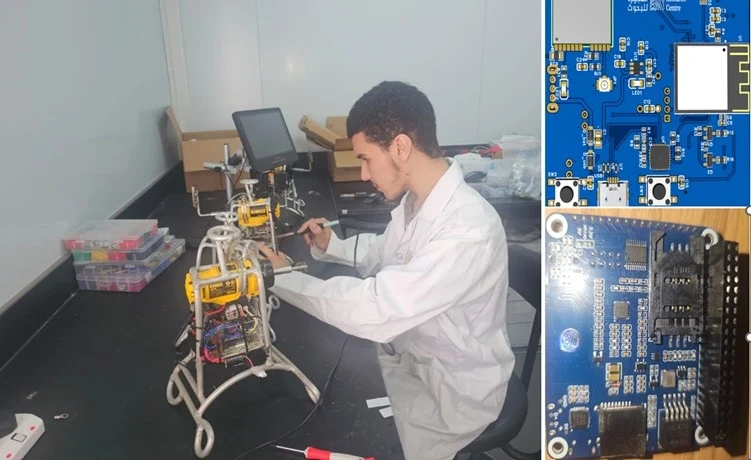
Embedded engineering stands at the core of modern industrial automation, bridging hardware precision with intelligent software control. Through the design of custom Printed Circuit Boards (PCBs) and embedded microcontroller systems, industries are achieving faster, smarter, and more energy-efficient operations. These systems enable precise data acquisition from sensors, drive automation of mechanical processes, and optimize real-time control in manufacturing, logistics, and energy sectors. Advanced PCB design tools now allow miniaturization, thermal efficiency, and seamless integration of wireless communication modules such as Wi-Fi, LoRa, and Bluetooth. From predictive maintenance in factories to power management in renewable plants, embedded systems deliver unmatched reliability and responsiveness. The shift toward edge computing and AI-on-chip further empowers these devices to analyze data locally—reducing latency, improving safety, and enabling autonomous decision-making. Embedded engineering is thus the invisible architecture behind smart industries, connecting machines, environments, and people through intelligence built at the circuit level.
Prototyping and Sensor Integration for Environmental and Smart Systems
The fusion of embedded electronics and environmental sensing has opened a new era of innovation in sustainability and ecosystem monitoring. Engineers are designing compact, low-power sensor nodes that collect critical environmental data—such as air quality, soil moisture, water salinity, and radiation—transmitting it through IoT networks for real-time analysis. Rapid prototyping platforms like Arduino, STM32, and Raspberry Pi enable quick design-to-deployment cycles, accelerating research and industrial applications alike. In environmental monitoring, custom PCBs are built to withstand harsh outdoor conditions, integrating solar charging systems and long-range telemetry to operate autonomously in deserts, mountains, or marine zones. These embedded solutions are now key tools for precision agriculture, water management, and pollution tracking, feeding high-quality data into AI platforms for smarter decision-making. The result is a new generation of intelligent environmental systems—engineered from the ground up to make technology not only efficient but also ecologically responsible and sustainable.