Honey AI: Revolutionizing Honey Authentication and Botanical Research
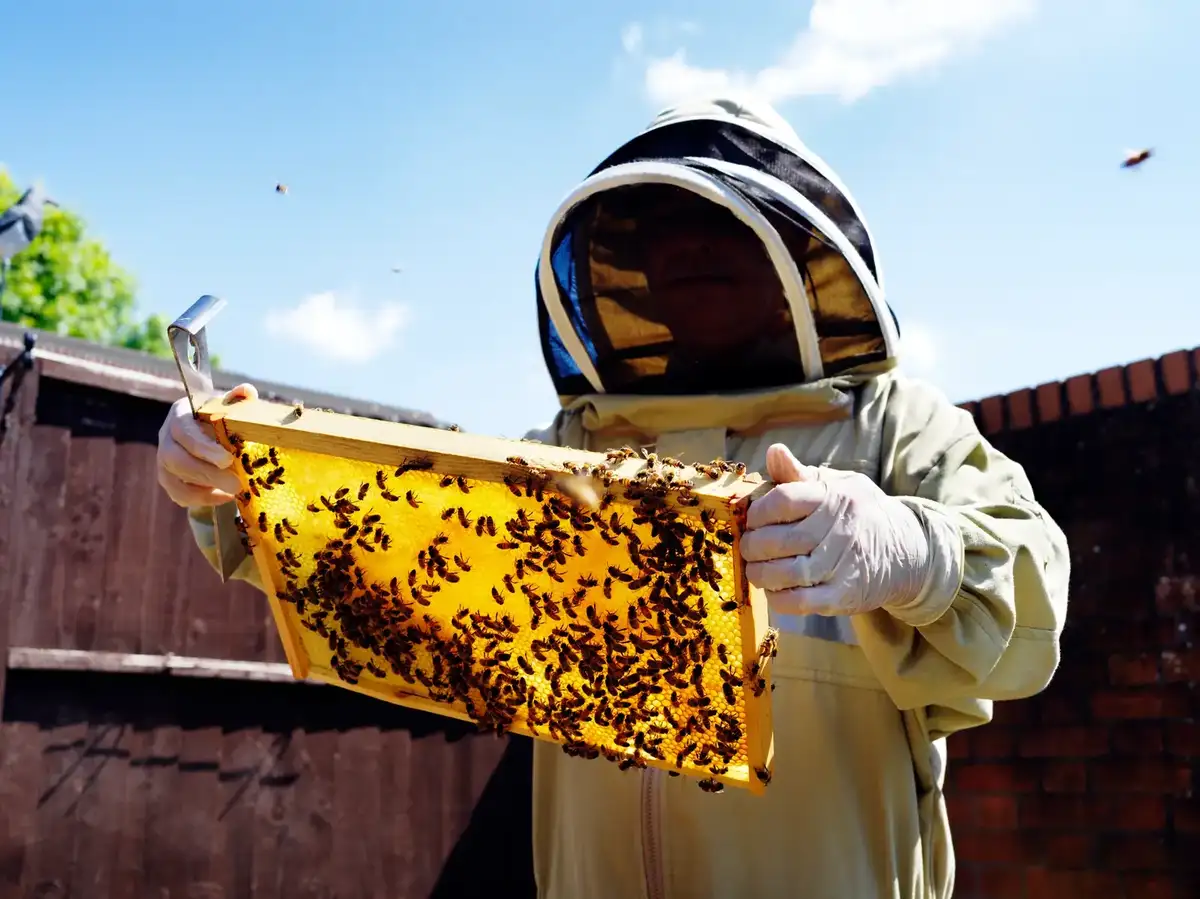
Honey AI is transforming the way scientists and beekeepers analyze, classify, and authenticate honey and pollination data through artificial intelligence. Traditionally, pollen identification required hours of manual microscopic examination, but AI-driven image recognition now automates this process with remarkable speed and accuracy. Using deep learning and computer vision, Pollen identification AI systems can identify thousands of pollen grain types, tracing each honey sample back to its floral and geographical origin. This innovation strengthens quality control, authenticity verification, and traceability across the honey supply chain—protecting consumers and producers alike from fraud or mislabeling. Beyond apiculture, these AI systems serve broader ecological purposes: mapping plant biodiversity, studying seasonal flowering patterns, and tracking environmental shifts caused by climate change. By digitizing one of nature’s most complex microscopic datasets, Pollen AI bridges science, sustainability, and industry—establishing a new era where data intelligence reinforces both biological research and economic transparency.
AI-Driven Honey Pollen Analytics for Sustainability and Environmental Insight
The integration of AI-powered honey pollen analysis extends far beyond honey authentication—it enables deep insights into ecosystem health and agricultural resilience. By combining pollen imaging with environmental sensors and satellite data, AI models can track plant-pollinator interactions, regional floral abundance, and climate-induced shifts in vegetation. Machine learning algorithms analyze patterns in pollen composition to detect pollution, habitat loss, or invasive species, making it a powerful tool for environmental monitoring and conservation planning. In precision agriculture, Pollen AI informs crop-pollination strategies, improving yield forecasting and optimizing beekeeping routes based on real-time floral availability. When integrated into blockchain-based traceability systems, the data ensures full transparency from hive to market, validating both the origin and sustainability of natural products. Pollen AI thus represents a convergence of biology, artificial intelligence, and environmental ethics—a frontier technology using microscopic evidence to protect biodiversity, strengthen food security, and restore public trust in natural resource management.