LIMS and Lab Automation: The Digital Backbone of Modern Research
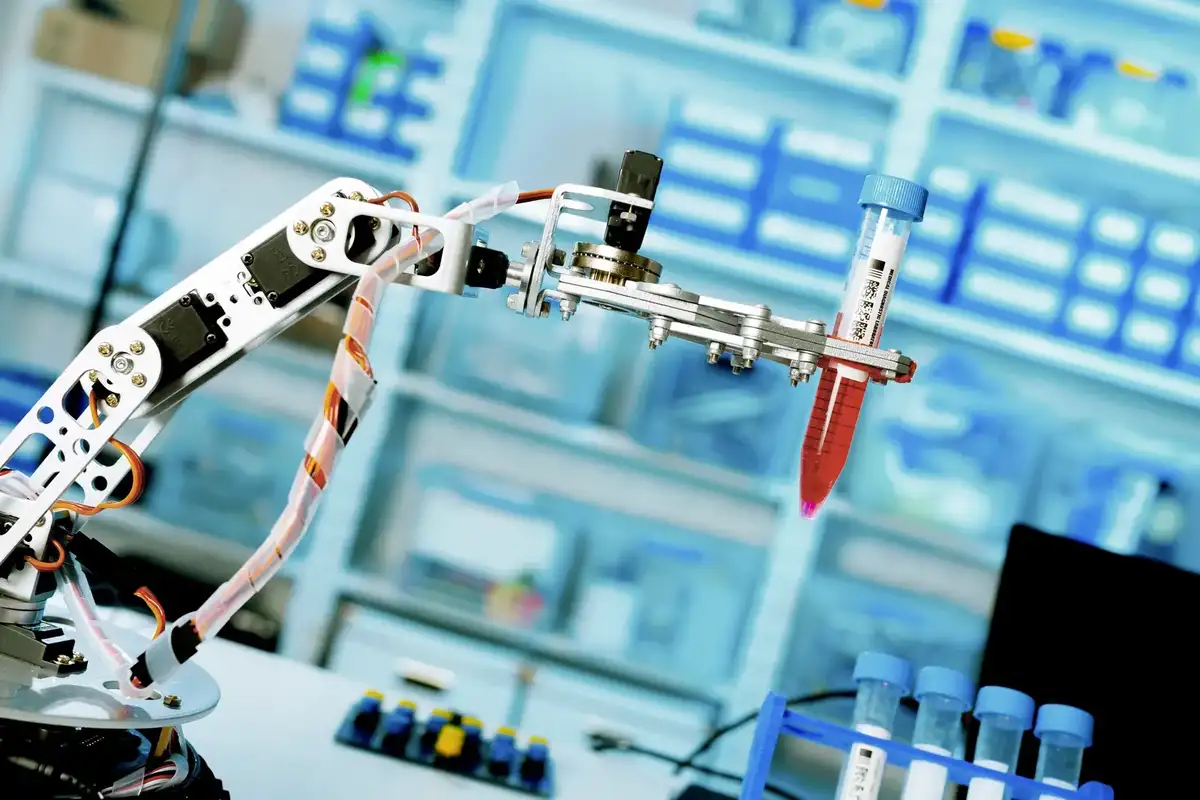
Laboratory Information Management Systems (LIMS) and automation technologies have redefined how laboratories operate, turning complex workflows into streamlined, data-driven ecosystems. LIMS platforms centralize sample tracking, test scheduling, quality control, and result validation into a single digital framework—eliminating manual errors and ensuring full traceability. When integrated with automated analyzers, robotic arms, and IoT-enabled sensors, they enable continuous operation and real-time data acquisition, significantly improving accuracy and efficiency. Cloud connectivity allows researchers to access, share, and analyze data securely from anywhere, supporting remote collaboration and regulatory compliance. Artificial intelligence further enhances this ecosystem by predicting equipment maintenance needs, optimizing experiment design, and detecting data anomalies before they compromise results. By uniting software intelligence with mechanical precision, LIMS and automation create smart laboratories—faster, cleaner, and more reliable—where scientists can focus on innovation rather than administration.
Smart Laboratories and Data-Driven Quality Assurance
The new generation of automated laboratories is transforming research, diagnostics, and industrial testing into interconnected digital environments where every sample, instrument, and process is part of an intelligent data network. LIMS platforms serve as the operational core, integrating seamlessly with analytical instruments, robotic sample handlers, and AI-driven analytics engines. This integration ensures that each step—from sample reception to data reporting—is fully validated, auditable, and compliant with international standards such as ISO 17025 and GLP. Automation minimizes human intervention, increases throughput, and guarantees data integrity, making it indispensable for high-volume sectors like pharmaceuticals, food safety, and environmental analysis. Predictive algorithms optimize resource allocation and reduce downtime, while dashboards provide real-time insight into laboratory performance. The result is a digitally orchestrated ecosystem where precision meets productivity, and where laboratory automation becomes not just a tool, but a catalyst for scientific excellence and operational sustainability.