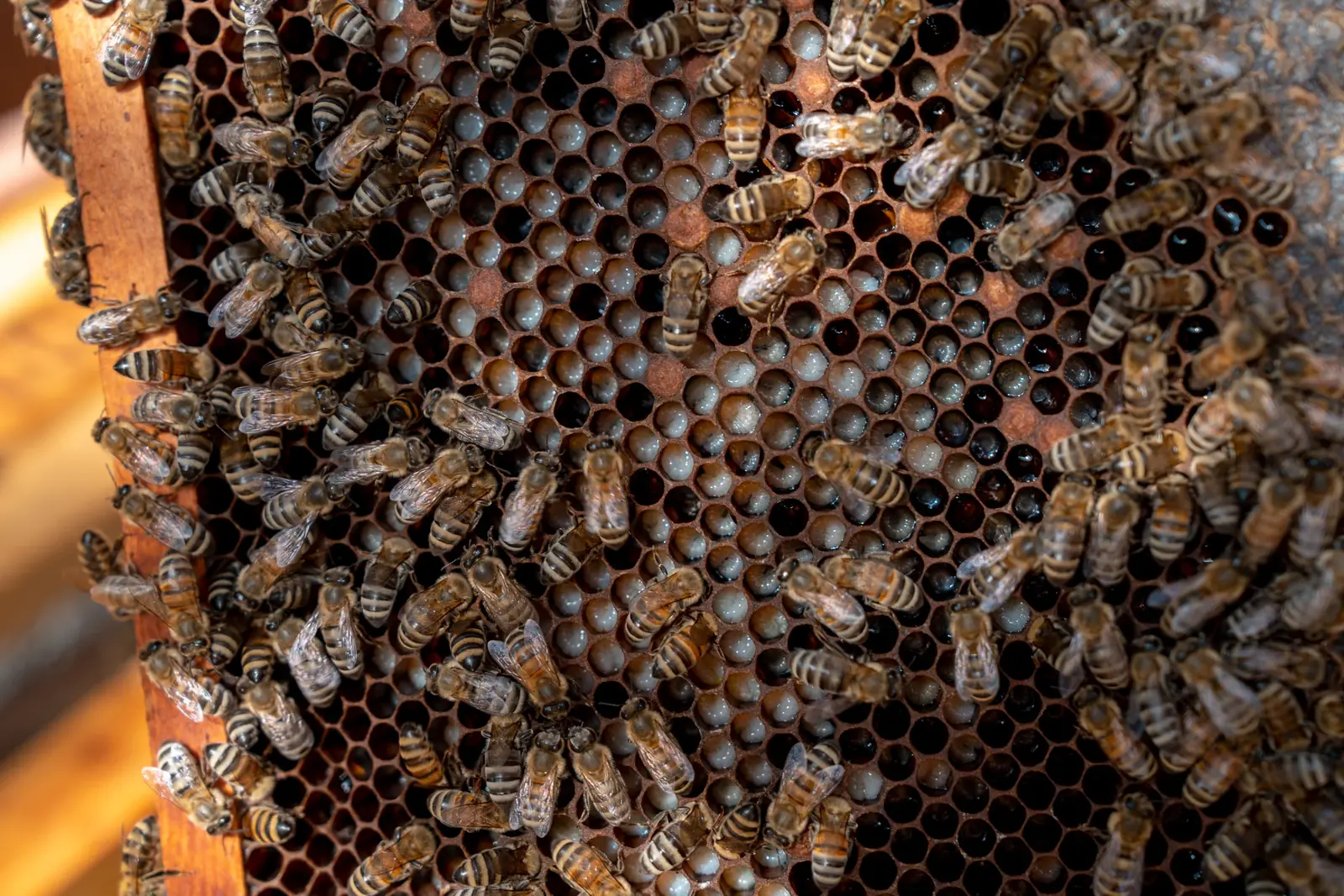
The threat of rising global temperatures poses a severe danger not just to human populations, but to the world’s most vital pollinators: the honeybee. Heatwaves are becoming more frequent and intense, leading to fatal hyperthermia in bee colonies across arid and semi-arid regions. To combat this escalating threat, the Fujairah Research Centre (FRC) is contributing its unique expertise to the international MEDIBEES project, a major initiative focused on understanding and bolstering honeybee climate resilience.
This collaboration places FRC at the forefront of global entomological research, aiming to ensure the long-term survival of local bee populations and, by extension, the food systems they support.
The Critical Threat of Heatwaves
Honeybees are essential to both natural biodiversity and agricultural food security, but they are highly vulnerable to extreme heat. Temperatures that trigger fatal hyperthermia can wipe out entire colonies, severely impacting local ecosystems and the production of vital resources like honey. For the UAE and other Mediterranean regions, finding ways to help native honeybee subspecies adapt to these hotter conditions is not just a scientific goal—it’s an economic imperative.
The MEDIBEES project, which draws on expertise from multiple nations, is dedicated to isolating and understanding the genetic and behavioral traits that allow certain native honeybee subspecies to survive and thrive despite rising temperatures.
FRC’s Specialized Contribution
FRC brings specialized capabilities in genetics and environmental adaptation, developed through its robust food science and terrestrial biodiversity programs, to the MEDIBEES project.
The Centre's core contributions focus on two critical areas:
Genetic Adaptation and Trait Identification
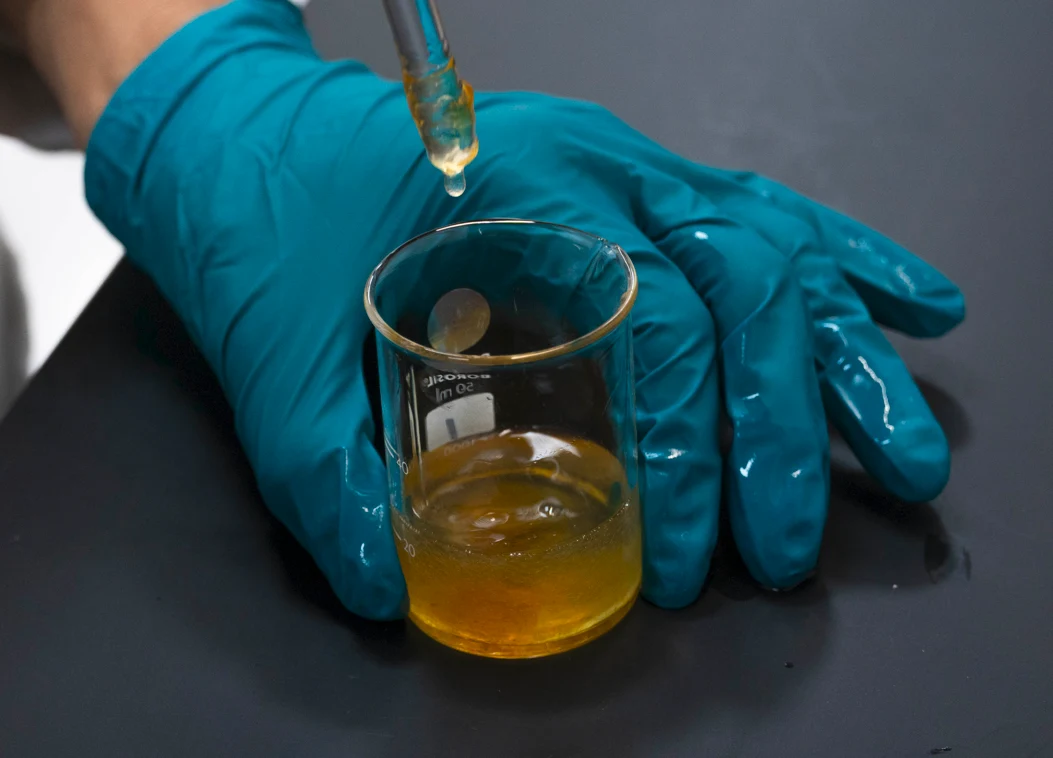
FRC researchers are leveraging their expertise to conduct genetic analysis on local bee populations. The goal is to identify specific genes or traits that confer a natural resistance to heat stress. By mapping these genetic markers, scientists can gain invaluable insights into how bee colonies in the region have naturally adapted to harsh, arid climates over generations. This data is key to informing future breeding programs designed to enhance resilience across the broader honeybee population.
Localized Health and Nutritional Trials
Beyond international collaboration, FRC is also running crucial local trials in its apiaries to address immediate health challenges facing bee colonies.
Supplemental Diets: The FRC team is currently conducting a controlled trial involving six groups of bee colonies. Each group is being fed various supplemental diets to evaluate their impact on key health indicators, including colony strength, immune function, and overall productivity. Understanding how food sources influence these factors is vital for managing bee health during periods of environmental stress.
Disease Monitoring: Simultaneously, FRC teams are actively monitoring for common fungal diseases, such as Nosema. Early detection and management of diseases are crucial, as a weakened colony is far less likely to survive a major heatwave event.
Science for Food Security
FRC’s involvement in the MEDIBEES project perfectly complements its recent national achievement in honey authentication. By ensuring both the quality and the viability of the producer (the bee), the FRC is strengthening the entire honey ecosystem in the UAE.
This ongoing work is a clear demonstration of FRC’s commitment to food security and its pivotal role in generating valuable, actionable insights into how essential species can be protected from the accelerating impacts of climate change. Through this international effort, FRC is helping to secure not just a food source but the future of pollination across the Mediterranean and beyond.
Frequently Asked Questions
What are the benefits of honey authentication using advanced methods like FRCs?
Honey authentication benefits consumers by guaranteeing product integrity and origin, and it supports beekeepers by protecting premium products against fraud and mislabeling in the market.
How can individuals support honeybee conservation efforts in the UAE?
What is the main threat the MEDIBEES project addresses?