Why Protecting Our Local Bees Matters More Than Ever
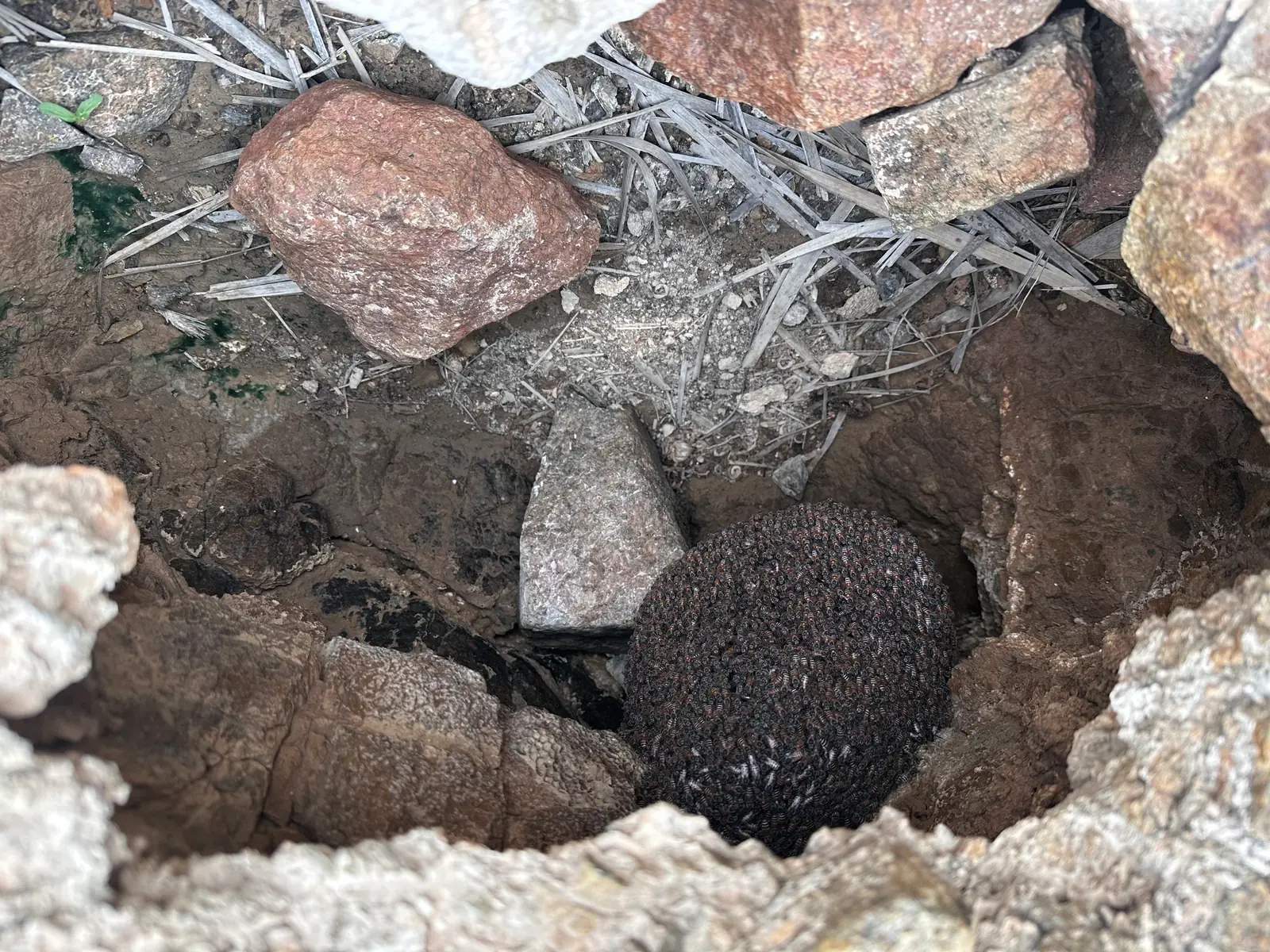
Across our deserts, farms, wadis, and mountain valleys, bees work quietly, tirelessly, and almost invisibly. They pollinate our fruit trees, support our wild plants, and sustain entire ecosystems that—at first glance—seem too harsh for life. Yet these small insects have mastered survival in some of the toughest environments on Earth.
But here’s the truth we don’t talk about enough:
Local bees are under pressure — and they need us.
Climate extremes, shrinking habitats, imported genetics, pesticides, and poor forage diversity are pushing our native bee populations to their limits. And when they decline, the damage doesn’t stay in the hive — it hits the entire landscape. Crops yield less, wild plants disappear, and ecosystems slowly unravel.
Local Bees Are Desert Champions
Native bees living in arid regions are not ordinary bees. They carry extraordinary traits:
They withstand brutal heat.
They fly long distances to find food.
They navigate landscapes where flowers bloom for short windows.
They adapt to environments that many species would not survive.
These bees are not just pollinators — they are specialists, built through centuries of evolution. Losing them doesn’t just reduce bee numbers; it erases a genetic library of survival.
And once these traits disappear, we don’t get them back.
A Shared Responsibility
Protecting our native bees is not complicated. Anyone can contribute — beekeepers, farmers, families, students, or anyone who cares about nature.
Small actions create real change:
Plant flower species that bloom across the seasons — especially native plants bees recognize instantly.
Keep small areas wild — even tiny patches of vegetation matter.
Support beekeepers who maintain local bee lines and use sustainable practices.
Reduce pesticide use, especially during flowering periods.
Teach children about bees so they grow up valuing them as part of our heritage and food security.
These decisions don’t require scientific expertise. Just awareness and intention.
Bees Are More Than Honey
Honey is tradition, culture, and health — but the real value of bees extends far beyond the jar.
When we protect bees, we protect:
our farms
our mountain ecosystems
our coastal vegetation
our forests
our food security
and ultimately, our future
Bees don’t demand much — safe forage, clean air, and healthy habitats.In return, they sustain life far beyond what we can see.
A Call to Care
This is the moment to act. Not next season. Not next year.
Whether you plant a flower, protect a small green space, support a local beekeeper, or simply talk about why bees matter — you become part of the movement.
The future of our local bees depends on what we choose to do today.
Protect the bees.Protect our ecosystems.Protect our home.