Our oceans are vital to life on Earth, but they are under increasing pressure from climate change, pollution, and human activities. To better understand and protect marine environments, smart marine buoys are becoming an important tool for modern ocean monitoring.
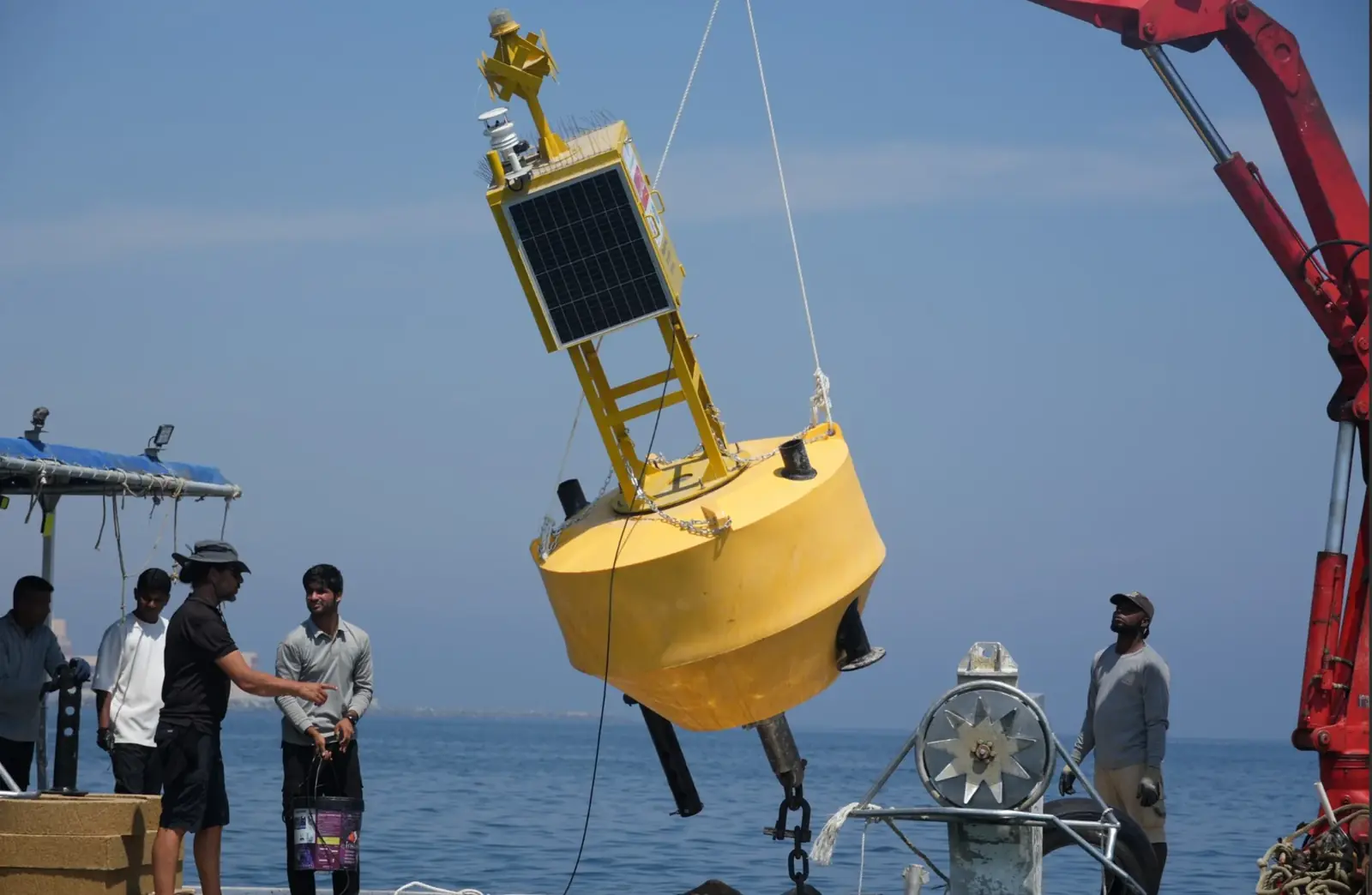
Smart marine buoys are floating systems equipped with sensors that continuously collect data from the ocean and the atmosphere. They can measure key factors such as water quality, temperature, salinity, depth, weather conditions, and even capture underwater images to observe coral reefs and marine life. This information helps scientists, environmental teams, and marine operators better understand what is happening in the ocean in real time.
These buoys send data wirelessly to online platforms, allowing remote monitoring without the need for frequent site visits. Many smart buoys are powered by solar energy, making them reliable, cost-effective, and environmentally friendly for long-term use, even in remote areas.
Smart marine buoys are used in many fields, including marine research, environmental protection, aquaculture, offshore industries, and maritime safety. By providing accurate and continuous data, they support better decision-making, improve safety, and help protect marine ecosystems for future generations.
Our oceans are vital to life on Earth, but they are under increasing pressure from climate change, pollution, and human activities. To better understand and protect marine environments, smart marine buoys are becoming an important tool for modern ocean monitoring.
Smart marine buoys are floating systems equipped with sensors that continuously collect data from the ocean and the atmosphere. They can measure key factors such as water quality, temperature, salinity, depth, weather conditions, and even capture underwater images to observe coral reefs and marine life. This information helps scientists, environmental teams, and marine operators better understand what is happening in the ocean in real time.
These buoys send data wirelessly to online platforms, allowing remote monitoring without the need for frequent site visits. Many smart buoys are powered by solar energy, making them reliable, cost-effective, and environmentally friendly for long-term use, even in remote areas.
Smart marine buoys are used in many fields, including marine research, environmental protection, aquaculture, offshore industries, and maritime safety. By providing accurate and continuous data, they support better decision-making, improve safety, and help protect marine ecosystems for future generations.
Our oceans are vital to life on Earth, but they are under increasing pressure from climate change, pollution, and human activities. To better understand and protect marine environments, smart marine buoys are becoming an important tool for modern ocean monitoring.
Smart marine buoys are floating systems equipped with sensors that continuously collect data from the ocean and the atmosphere. They can measure key factors such as water quality, temperature, salinity, depth, weather conditions, and even capture underwater images to observe coral reefs and marine life. This information helps scientists, environmental teams, and marine operators better understand what is happening in the ocean in real time.
These buoys send data wirelessly to online platforms, allowing remote monitoring without the need for frequent site visits. Many smart buoys are powered by solar energy, making them reliable, cost-effective, and environmentally friendly for long-term use, even in remote areas.
Smart marine buoys are used in many fields, including marine research, environmental protection, aquaculture, offshore industries, and maritime safety. By providing accurate and continuous data, they support better decision-making, improve safety, and help protect marine ecosystems for future generations.
Reference
Fujairah Research Centre