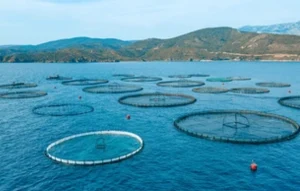
Polyculture, the practice of raising multiple species together, is becoming a popular and sustainable approach in aquaculture. In Fujairah, combining gilthead seabream (Sparus aurata) and safi fish (Siganus canaliculatus) is showing promising results for both farmers and the environment.
This system works because the two species have complementary feeding habits. Gilthead seabream feed on small invertebrates, while herbivorous safi fish eat algae. This balance reduces waste, helps control algae growth, and improves water quality naturally. As a result, the need for chemicals and antibiotics is reduced.
Polyculture also supports healthier fish populations. Biodiversity lowers the risk of disease outbreaks, and studies show that seabream raised in these systems have lower mortality rates and faster growth. Economic benefits are clear too—raising two species reduces the risks associated with monoculture, such as disease or price fluctuations, and offers multiple revenue streams for local and international markets.
By mimicking natural ecosystems, polyculture improves sustainability, maximizes productivity in limited coastal areas, and supports biodiversity. With global seafood demand rising, this method provides a scalable and environmentally friendly solution for modern aquaculture.
Reference:
Fujairah Research Centre