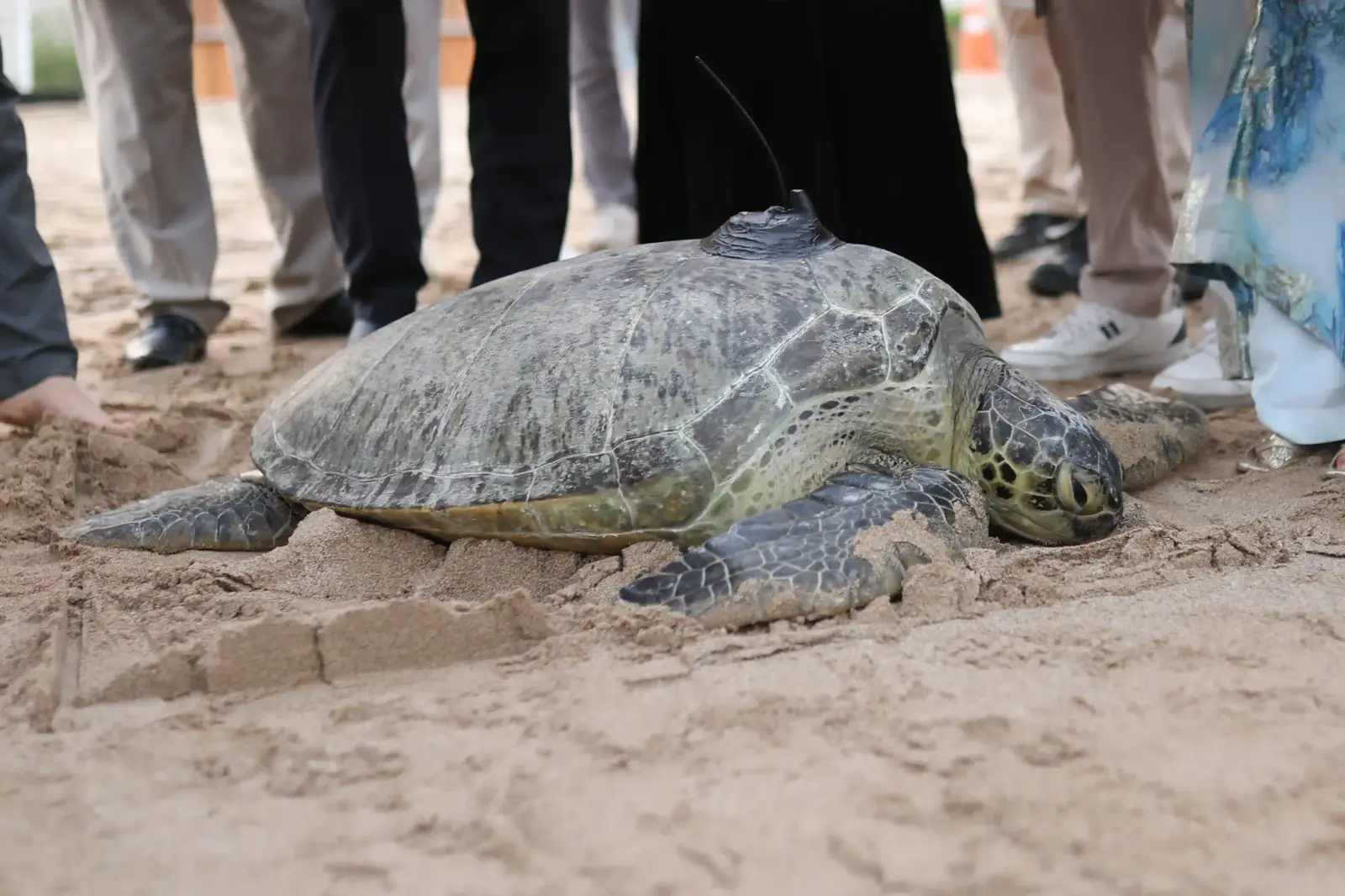
On a quiet tropical beach, conservationists painstakingly patrol the sand each night, moving eggs to protected hatcheries and shielding nests from predators. For years, this has been the heart of turtle conservation—a visible, tangible effort that reassures communities and donors alike.
Yet, year after year, the number of adult turtles returning to nest barely increases. Eggs may hatch, but the young never make it to adulthood. Why? Because protecting nesting beaches alone cannot save turtles.
The Bigger Picture
Sea turtles spend over 90% of their lives at sea. They navigate open oceans, migrate across national boundaries, and rely on diverse marine habitats for feeding, breeding, and survival. Predation, fishing bycatch, marine pollution, and habitat degradation all threaten turtles long before they reach nesting beaches.
Conservation Must Extend Beyond the Sand
Focusing solely on beaches addresses one small piece of the puzzle. Without protections in foraging grounds, migration corridors, and the open ocean, conservation efforts are incomplete. Turtles hatch successfully but face nearly insurmountable risks in the water.
Integrated Approaches Work
Successful programs combine beach protection with:
Bycatch reduction in fisheries
Marine protected areas along migration routes
Pollution control and ecosystem restoration
International coordination for migratory species
By treating turtle conservation as a system-wide challenge, survival rates improve, and populations begin to recover.
From Story to Strategy
The story of protected beaches reminds us that conservation is more than visible effort—it is about systems thinking. Protecting one critical site is necessary, but saving species requires addressing the full life cycle, both on land and at sea.
Turtles don’t live on beaches alone—and neither should conservation strategies.