Turtles Rehabilitation Programm
Our turtle rehabilitation program is a critical step in restoring marine turtle populations affected by pollution, entanglement, or habitat degradation. At specialized rehabilitation centers, injured or sick turtles receive medical treatment, nourishment, and safe recovery environments that mimic their natural habitats. The goal is to heal and reintroduce these turtles into the wild, where they can continue to play vital ecological roles such as maintaining healthy seagrass beds and coral reefs. Rehabilitation also provides valuable data on turtle health, disease trends, and the impact of human activities, helping scientists and policymakers strengthen marine conservation strategies.
Beyond medical care, our program emphasizes environmental education and community engagement to raise awareness about the importance of protecting these species. Students, volunteers, and local fishermen are often involved in rescue and release efforts, fostering a culture of responsibility and stewardship toward marine life. Additionally, collaboration with regional and international research institutions allows us to exchange knowledge and enhance rehabilitation techniques, ensuring that every turtle released represents not just a recovery, but a collective success in preserving marine biodiversity and the delicate balance of our ocean ecosystems.
Turtle Conservation
Satellite tracking
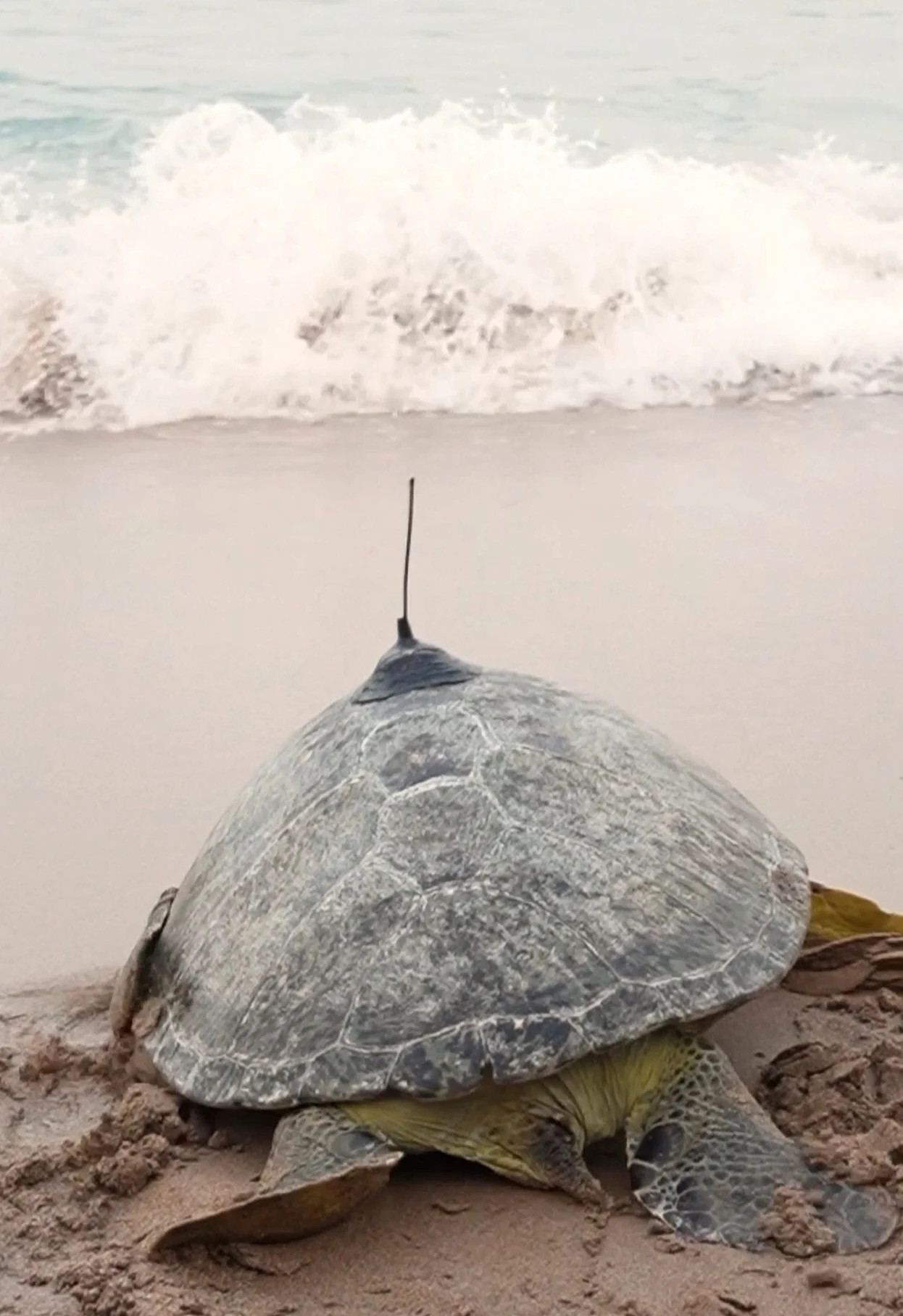
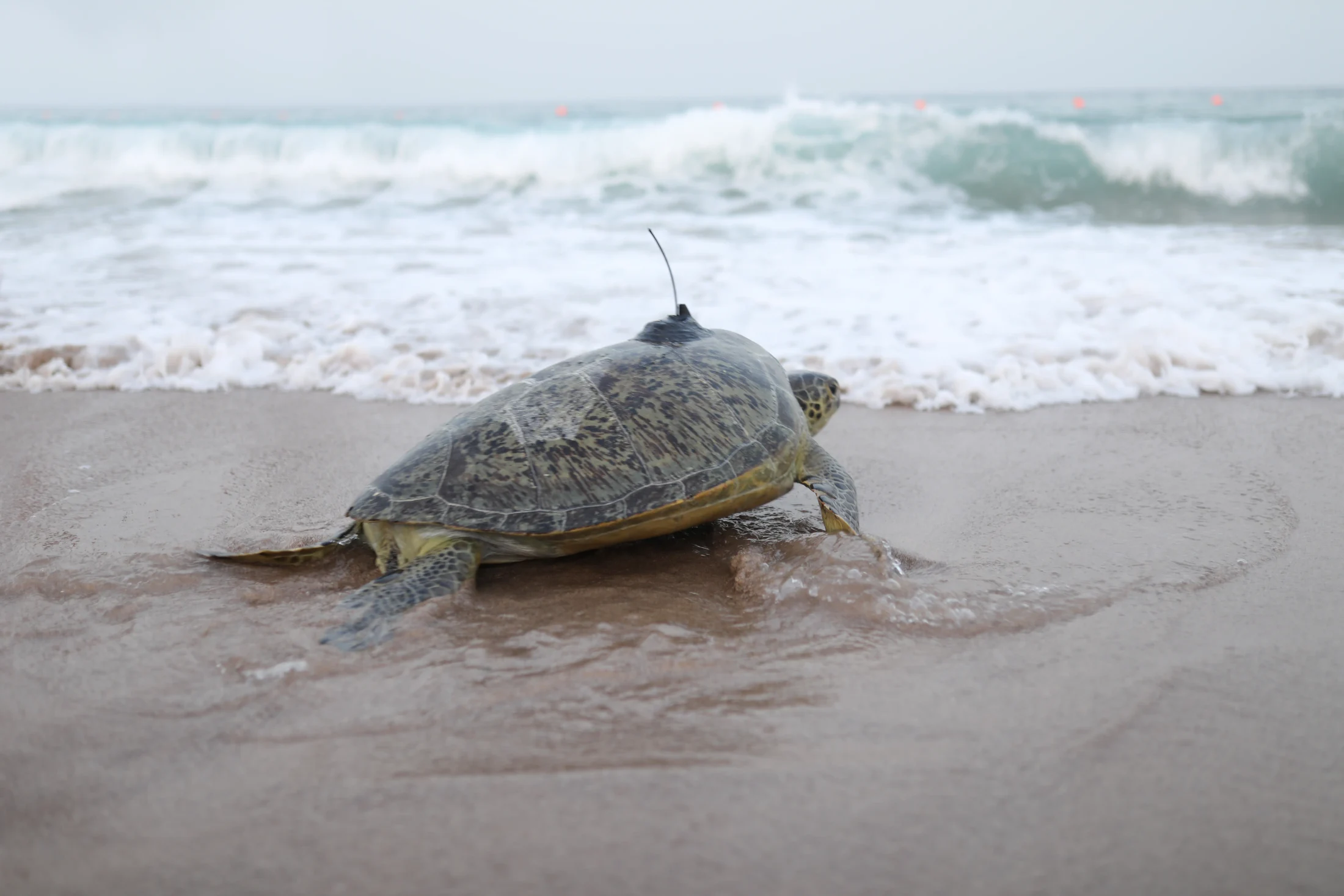
We use satellite tracking technology to revolutionize turtle conservation by providing real-time insights into their migration routes, nesting behavior, and feeding grounds. By attaching lightweight transmitters to the turtles’ shells, researchers can monitor their movements across oceans for months or even years. This data is crucial for identifying critical habitats, mitigating threats from fishing or coastal development, and enhancing regional cooperation in protecting migratory corridors. In the UAE and across the Gulf, satellite tracking has become an essential tool to guide evidence-based conservation, ensuring these ancient mariners can navigate safely through increasingly challenging marine environments.
The data gathered through satellite tracking also supports long-term conservation planning by revealing how climate change and human activities are altering turtle behavior and habitat use. By integrating this information with oceanographic and environmental data, scientists can predict emerging threats and design more targeted protection measures. These insights enable policymakers to establish marine protected areas, regulate coastal development, and promote international collaboration for migratory species.