The conservation of the UAE’s fragile arid landscape faces complex threats driven by human activity and a changing environment. The Fujairah Research Centre (FRC) is tackling this challenge head-on by deploying cutting-edge artificial intelligence (AI) and drone technology, transforming the way native flora is protected and leading global efforts in AI desert flora conservation.
This commitment to technological environmental stewardship has resulted in the publication of two seminal papers in the ISPRS Annals of the Photogrammetry, Remote Sensing and Spatial Information Sciences. These studies showcase FRC’s success in using deep learning and Unmanned Aerial Vehicles (UAVs) for the large-scale mapping and conservation of the nation’s most vital indigenous trees: the Ghaf and the Acacia Tortilis.
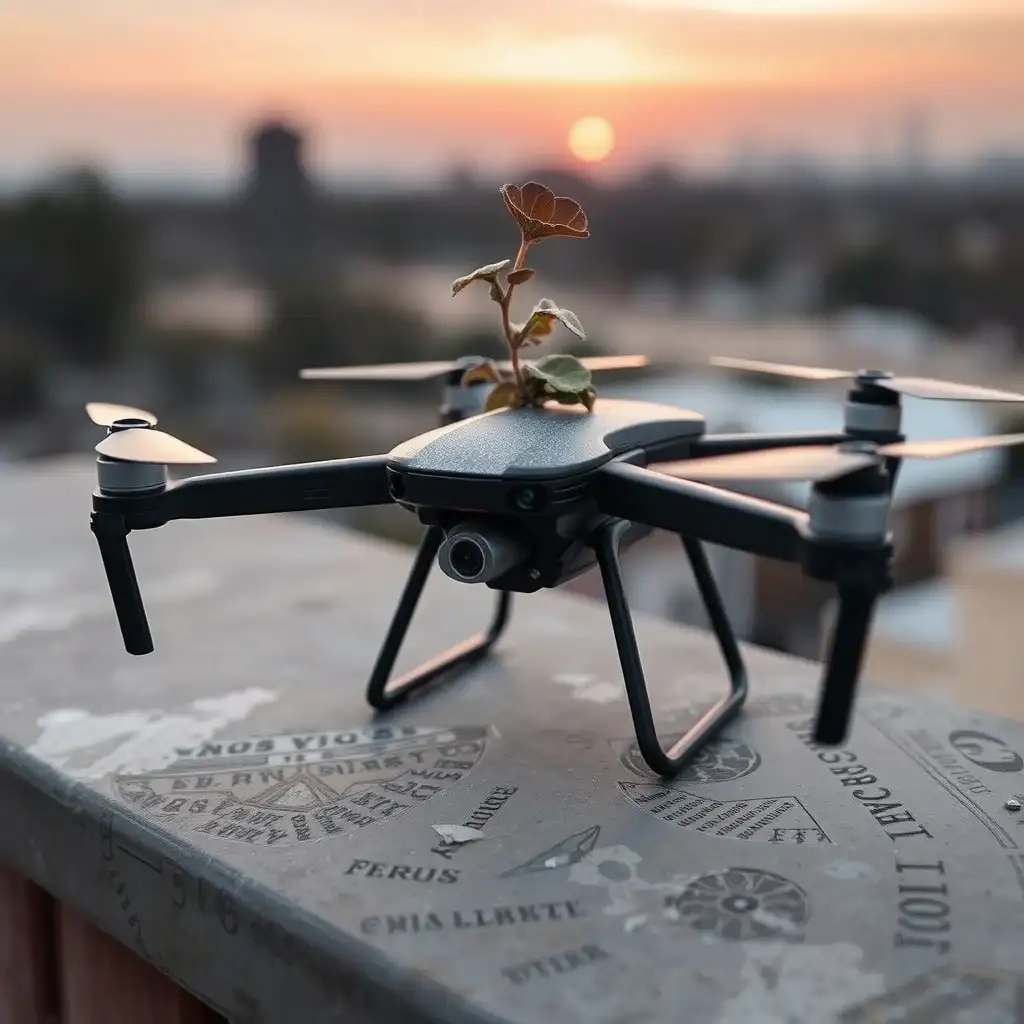
The Dual Threat to Desert Ecosystems
The desert ecosystem of the UAE is resilient, yet highly sensitive to environmental pressure. Climate change is a major driver of this fragility, leading to more frequent and intense extreme heat and droughts, which stress native plants. Furthermore, human-induced factors, such as the introduction of invasive species, pose an immediate and severe danger.
For example, notorious invaders like the Mesquite (Prosopis juliflora) thrive aggressively, outcompeting native flora by depleting groundwater and altering soil chemistry. This displacement directly threatens vital indigenous species, including the Ghaf and other key UAE flora, such as the Mangrove (Avicennia marina) and the Sidr (Ziziphus spina-christi). Protecting these keystone species requires constant, accurate, and scalable monitoring.
The Solution: UAVs, Deep Learning, and Actionable Data
Traditionally, monitoring these vast, remote areas was slow and inaccurate. FRC's innovative approach bridges this gap by combining UAV technology with advanced AI:
High-Resolution UAV Imagery
FRC conducts comprehensive field campaigns using Unmanned Aerial Vehicles (UAVs), or drones, to capture high-resolution images. These drones gather data far superior in detail to conventional satellite photos, providing the necessary clarity to distinguish individual trees and assess their health.
Deep Learning and Semantic Segmentation
The true breakthrough lies in applying deep learning—a sophisticated form of AI. FRC utilized advanced models, including Transformer-based semantic segmentation architectures, to automatically process the UAV images. This technology teaches the AI to identify every pixel belonging to a target object, enabling precise, high-accuracy mapping that:
Creates a Population Inventory: This process allows for large-scale and efficient mapping of Acacia tortilis and Ghaf trees, providing an accurate count that is essential for effective resource management.
Facilitates Early Prevention: It offers valuable data for the early detection of invasive species, enabling authorities to take action before these species can significantly harm native populations.
Informs Conservation Strategy: The combination of remote sensing and AI in desert flora conservation is crucial for establishing baseline data and monitoring tree health over time.
Publication Success and Future Trends
The rigor of FRC's work led to two key publications in the ISPRS Annals, establishing protocols for Ghaf and Acacia Tortilis mapping. This work places FRC at the forefront of the future of AI in environmental conservation, where advanced computing will increasingly be used for real-time monitoring of biodiversity, predictive modeling of ecosystem stress, and automated response systems.
By leveraging the power of AI to gain unparalleled insights into its terrestrial ecosystems, the Fujairah Research Centre is reinforcing its position as a leader in applying technology to achieve genuine, long-term climate resilience and environmental sustainability.
Frequently Asked Questions
What is the impact of invasive species like Mesquite on the UAE's native flora?
Invasive species, such as the Mesquite (Prosopis juliflora), threaten native flora by aggressively depleting groundwater, displacing indigenous plants like the Ghaf tree, and significantly reducing local biodiversity.
How can I get involved in conservation efforts in the UAE?
You can support conservation efforts by volunteering for tree-planting initiatives, reporting sightings of invasive species to environmental authorities, and supporting organizations focused on AI Desert Flora Conservation.
What are the key species in the UAE's ecosystem besides Ghaf and Acacia?
Other key native flora species include the Mangrove (Avicennia marina), the White Saxaul, and the Sidr (Ziziphus spina-christi), all crucial for biodiversity and soil stabilization.