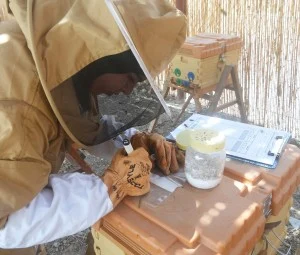
Beekeeping plays a vital role in agriculture, not just for honey production but also for pollinating crops. However, bee colonies face major challenges from diseases and pests that threaten their survival. Maintaining healthy hives is essential for sustainable apiculture.
Common Bee DiseasesBees are susceptible to viruses, bacteria, fungi, and parasites. Some key threats include:
Varroa Mites (Varroa Destructor): Parasites that weaken bees and spread viruses, potentially causing colony collapse.
Nosema: A fungal infection that affects digestion, shortens lifespan, and reduces immunity.
American Foulbrood (AFB): A highly contagious bacterial disease that destroys larvae.
European Foulbrood (EFB): A bacterial infection affecting young larvae, less severe than AFB but still requires management.
Disease Management Strategies
Regular Hive Inspections: Early detection of disease signs such as unusual brood patterns.
Good Hygiene Practices: Cleaning tools, replacing old combs, and removing dead bees.
Quarantine and Isolation: Monitoring new colonies before adding them to existing hives.
Genetic Selection: Breeding bees that show resistance to certain diseases.
Medications and Treatments: Using approved treatments like formic acid for Varroa mites and fumagillin for Nosema.
Pests Threatening Bee ColoniesBees also face challenges from pests such as:
Small Hive Beetles (SHB): Larvae feed on honey, pollen, and brood, damaging hives.
Wax Moths: Consume beeswax, honey, and pollen, harming hive structures.
Ants, Wasps, and Hornets: Invade hives to steal resources or prey on bees.
Pest Control Measures
Physical Barriers: Screens, traps, and reducing hive entrances to keep pests out.
Biological Control: Introducing natural predators or parasites to target pests.
Chemical Control: Used cautiously to prevent harm to bees and hive products.
Regular Monitoring: Inspecting hives and using traps to detect pest activity early.
Supporting BeekeepersResearch centers and environmental bodies play a key role in apiculture by:
Conducting studies to improve disease and pest management.
Offering training programs and field demonstrations for beekeepers.
Monitoring pesticide use to ensure minimal impact on bees.
Promoting Integrated Pest Management (IPM) strategies that combine biological, mechanical, and cultural methods.
By combining research, education, and responsible practices, we can protect bee populations and ensure the sustainability of apiculture. Healthy bees are essential for biodiversity, agriculture, and global food security. Reference
Fujairah Research Centre