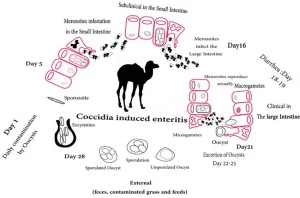
Eimeria Parasite Infection in Camels: Understanding Risks and Prevention Eimeria is a type of protozoan parasite that infects the intestines of animals, including camels. These infections can cause health problems and economic losses for camel farmers if not managed properly.
The parasite’s life cycle includes both sexual and asexual stages. Camels become infected by ingesting oocysts—the parasite’s infective form—found in contaminated feed, water, or surfaces. Once inside the intestine, the oocysts release sporozoites that invade intestinal cells, multiply, and cause cell damage.
Symptoms of Eimeria infection in camels can include diarrhea, weight loss, dehydration, and lethargy. Young or stressed animals are often more susceptible to severe illness. Diagnosis typically involves examining fecal samples under a microscope to detect oocysts.
Treatment often combines anticoccidial medications, such as sulfadimethoxine or monensin, with supportive care like rehydration and proper nutrition. Prevention is equally important and relies on good hygiene, a balanced diet to strengthen immunity, and minimizing stress.
By following these treatment and prevention strategies, camel owners can protect animal health, maintain productivity, and support sustainable camel husbandry practices. Reference
Fujairah Research Centre