Henna (Lawsonia inermis) is a versatile plant known for its cultural and medicinal uses. Native to arid regions, henna thrives in tough soil conditions and has been valued for centuries for its therapeutic properties.
Recent studies of henna grown in Fujairah, UAE, show it is rich in essential minerals like potassium, magnesium, and calcium, which contribute to overall health and well-being.
Beyond its nutritional value, henna has strong antimicrobial properties. Tests show it effectively inhibits the growth of bacteria such as Bacillus cereus and Staphylococcus aureus, as well as fungi like Aspergillus flavus and Candida albicans. This makes henna a promising natural alternative for developing antimicrobial ointments, creams, and disinfectants.
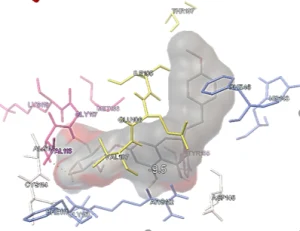
A key compound, Agrimonolide-6-O-glucopyranoside, shows significant potential for drug development. Computational analyses indicate it can interact effectively with microbial proteins, suggesting possible use in new therapeutic applications.
Historically, henna has also been recognized for anti-inflammatory, antioxidant, and anticancer properties, thanks to bioactive compounds like fraxetin, lawsoniaside, coumarin, and gallic acid. These findings highlight the plant’s versatility and potential in both traditional and modern medicine.
In conclusion, henna from Fujairah offers nutritional, medicinal, and antimicrobial benefits, making it a valuable natural resource. Its phytochemicals could serve as the foundation for developing new treatments and products, providing safe, effective alternatives in healthcare and personal care. Reference
Fujairah Research Centre