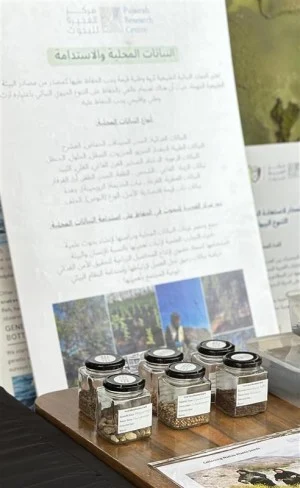
In today’s world, biodiversity is under serious threat due to climate change, urban development, and human activities. One powerful way to protect plant life for future generations is through seed bank conservation. Seed banks act as secure storage systems that preserve plant seeds, ensuring that valuable plant species are not lost forever.
Seed bank conservation works like a living library. Seeds from different plant species especially native plants are carefully collected and stored under controlled conditions. These seeds can remain viable for many years and can be used in the future to restore ecosystems, support research, or reintroduce endangered plants into their natural habitats.
Native plant species play a vital role in maintaining healthy ecosystems. They have adapted over thousands of years to local environments and support wildlife, soil health, and natural water systems. Unfortunately, many native plants are now at risk due to habitat destruction, climate changes, pollution, and invasive species.
Modern seed banks go far beyond simple storage. Each seed collection is carefully documented, including where and when it was collected and the conditions in which it naturally grows. Storage environments are closely monitored, with controlled temperatures, humidity levels, and protection from light to maintain seed quality. Regular testing is also carried out to ensure seeds remain healthy and capable of germination.
Seed banks also support scientific research. Studies on seed germination, genetic diversity, and plant resilience help scientists better understand how plants respond to environmental stress. This research is essential for developing effective conservation strategies and restoring damaged ecosystems.
The benefits of seed bank conservation extend well beyond science. Seed banks act as insurance for nature, preserving genetic diversity and protecting plants that may become extinct in the wild. They also help safeguard plants that are culturally important, including those used in traditional medicine and local heritage.
As environmental challenges continue to grow, seed banks are becoming increasingly important. By preserving seeds today, we protect the possibility of restoring ecosystems, supporting food security, and maintaining biodiversity for future generations.
Seed bank conservation is not just about saving seeds it is about protecting life, knowledge, and the natural balance of our planet.
Reference:
Fujairah Research Centre