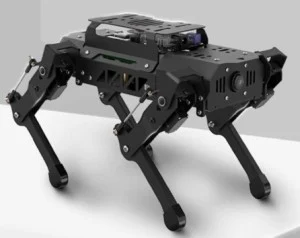
Industries such as oil, gas, and petrochemicals operate in complex and high-risk environments where safety and infrastructure reliability are critical. In recent years, robotic dogs have emerged as a powerful solution for monitoring industrial assets and ensuring infrastructure integrity.
Robotic dogs are mobile machines designed to move easily through industrial sites. They can walk, climb stairs, navigate obstacles, and access confined or elevated spaces that are often difficult or dangerous for humans to reach. This makes them ideal for inspecting large facilities such as petrochemical plants and onshore oil rigs.
Unlike traditional inspection methods that rely heavily on manual labor or fixed sensors, robotic dogs provide continuous and flexible monitoring. Human inspections can be time-consuming and risky, while fixed sensors may not cover all areas. Robotic dogs bridge this gap by combining mobility with advanced sensing technology.
These robots are equipped with tools such as thermal cameras, gas detectors, sound sensors, and vibration monitors. Together, these sensors help detect issues like overheating equipment, gas leaks, unusual noises, and mechanical wear. Early detection allows problems to be addressed before they become serious failures.
Artificial intelligence plays a key role in how robotic dogs operate. Using AI, they can analyze data in real time, recognize unusual patterns, and alert operators immediately when something is wrong. In some cases, robotic dogs can adjust their inspection routes automatically to focus on areas that need closer attention.
Safety is one of the biggest advantages of using robotic dogs. Industrial facilities often contain hazardous gases, extreme heat, or unstable structures. Robotic dogs can perform inspections in these dangerous areas without putting human workers at risk, helping to create safer working environments.
Another major benefit is reduced operational downtime. Many inspections can be carried out while equipment remains in operation, allowing maintenance teams to plan repairs more efficiently. This predictive approach helps prevent unexpected breakdowns and reduces production losses.
Robotic dogs are already being used to inspect pipelines, storage tanks, pressure vessels, and other critical assets. As technology continues to advance, these robots are expected to become even more capable, with improved sensors, greater autonomy, and integration with digital monitoring systems. Reference
Fujairah Research Centre