The Arabian Tahr, a nimble mammal native to the rugged cliffs of the Al Hajar Mountains in the UAE and Oman, faces increasing threats from habitat loss, climate change, and competition for food with livestock. Ensuring their survival requires attention to habitat restoration and the availability of nutrient-rich native plants.
Two plants, Ziziphus Spina Christi (Sidr) and Prosopis Cineraria (Ghaf), are especially important in the Tahr’s diet. Both species are well-adapted to the harsh desert environment, surviving high temperatures, saline soils, and limited rainfall.
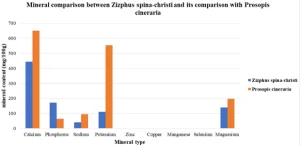
Recent studies have analyzed the nutritional values of these plants to determine which provides the best support for the Arabian Tahr. Ziziphus Spina Christi offers substantial dry matter and higher phosphorus content, while Prosopis Cineraria stands out for its higher levels of essential minerals such as calcium, potassium, and magnesium. These minerals are vital for the health, growth, and strength of the Arabian Tahr.
Prosopis Cineraria, with its richer mineral content, emerges as the most beneficial plant for supporting Tahr populations and should be prioritized in conservation and habitat restoration efforts. Meanwhile, Ziziphus Spina Christi remains important for biodiversity, providing food for other desert wildlife and pollinators.
Preserving and propagating native plants like Sidr and Ghaf is not only essential for the Arabian Tahr but also for maintaining the ecological balance of the region. Continued research into these species will help optimize conservation strategies, ensuring healthy habitats for endangered wildlife and protecting the UAE’s natural heritage. Reference
Fujairah Research Centre