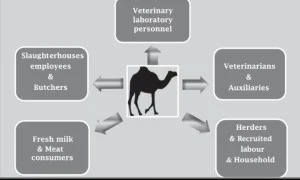
Camel brucellosis is a serious disease affecting camels and can also pose risks to human health. It is caused by bacteria that can spread through direct contact with infected animals, their milk, urine, or reproductive tissues, as well as contaminated feed, water, and equipment. Humans can become infected by consuming unpasteurized dairy products or through direct contact with camels carrying the disease.
Diagnosing brucellosis involves clinical observations and laboratory tests. Common diagnostic methods include serological tests such as ELISA, Rose Bengal Test, and PCR. Rapid testing kits are also available for screening large numbers of camels quickly and reliably. Regular surveillance is crucial to detect infections early and prevent the spread of the bacteria to other animals and humans.
Preventing camel brucellosis requires a combination of strategies:
Hygiene: Ensure proper handling of milk and other camel products; pasteurize milk before consumption.
Screening: Conduct regular testing of camels to identify infected animals early.
Vaccination: Implement vaccination programs where available.
Public Awareness: Educate communities about how brucellosis spreads and how to reduce risks.
Biosecurity: Maintain clean animal housing, avoid mixing infected animals with healthy ones, and sanitize equipment.
By combining hygiene, testing, vaccination, and awareness, we can protect camel populations and reduce the risk of brucellosis transmission to humans. Responsible practices and community education are essential in managing this disease effectively. Reference:Fujairah Research Centre