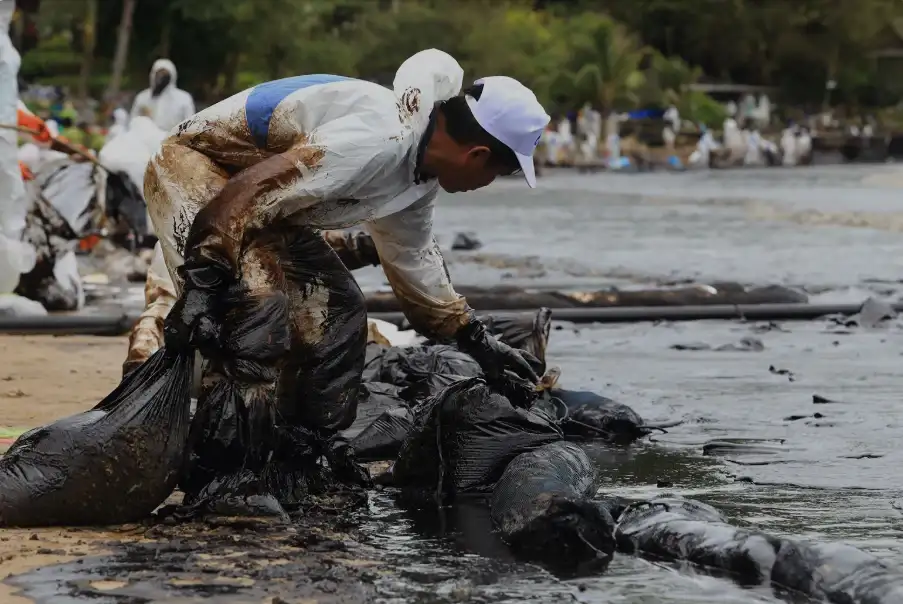
Plastic pollution has become a serious threat to our oceans and marine life. Every year, millions of tons of plastic waste end up in the sea, causing long-lasting damage to marine ecosystems. From tiny plankton to large marine animals, plastic pollution affects life in the ocean at every level.
Most plastic pollution comes from everyday items such as plastic bags, bottles, straws, and food packaging. Poor waste disposal, littering, and low recycling rates allow these materials to reach rivers and oceans. Over time, large plastic items break down into microplastics—very small plastic particles that are difficult to remove from the environment.
Many marine animals, including fish, seabirds, and turtles, mistake plastic for food. When swallowed, plastic can block their digestive systems, cause internal injuries, and lead to starvation. Larger plastic waste, such as abandoned fishing nets and plastic rings, can trap marine animals, restricting their movement and often causing serious injuries or death.
Plastic also contains harmful chemicals that can leak into seawater. These chemicals can build up in marine organisms, affecting their growth, reproduction, and overall health. Microplastics can carry toxic substances like pesticides and heavy metals, which move through the food chain and may eventually impact human health as well.
Marine habitats are also at risk. Coral reefs, which support a wide range of marine species, are especially vulnerable. Plastic waste can cover corals, block sunlight, and introduce harmful bacteria, leading to coral bleaching and reef degradation. The loss of coral reefs affects many marine species that depend on them for food and shelter.
Reducing plastic pollution is essential to protecting ocean life. Simple actions such as reducing single-use plastics, recycling properly, and supporting clean-up efforts can help protect marine ecosystems for future generations.
Reference
Fujairah Research Centre