Addressing the Credibility Gap with Scientific Sovereignty
In the global landscape of R&D, Scientific Sovereignty is the ultimate defense against external supply chain shocks. For the UAE, true food security is not just about the volume of imports; it is about the professional stewardship of our biological data. Historically, the "Execution Gap" existed because the region lacked the local infrastructure to authenticate its own natural resources, relying instead on international standards that were not designed for arid climates.
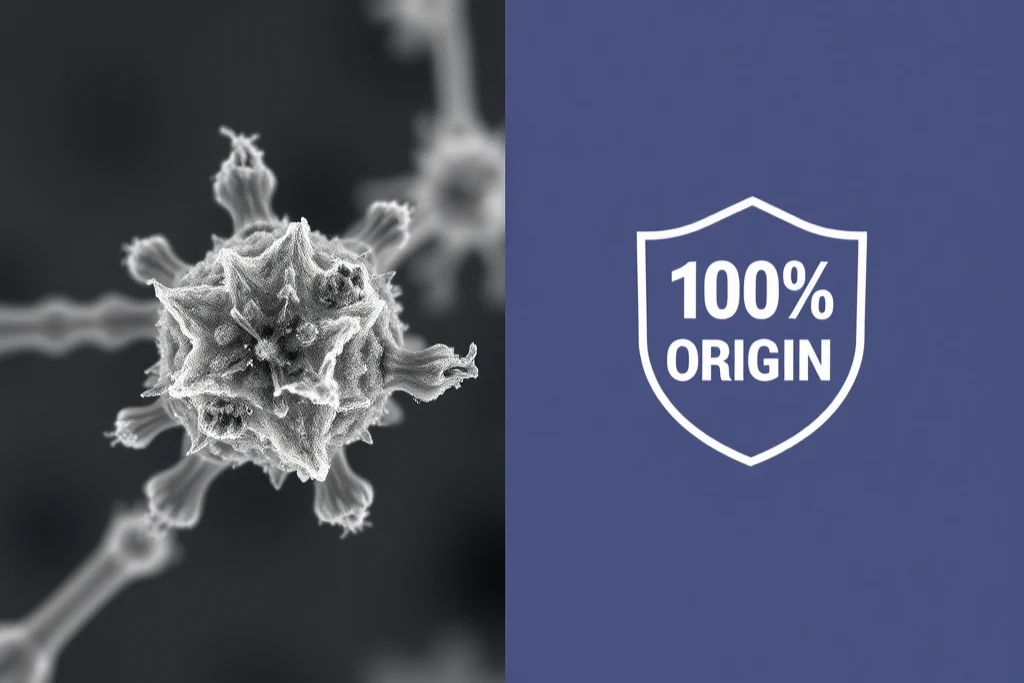
Establishing National Standards through Scientific Sovereignty
To bridge this gap, we have localized a critical verification process. As of July 2025, we have established the first and only laboratory in the UAE performing advanced pollen profiling.
By identifying the unique microscopic signatures of native flora—specifically Ghaf and Acacia—we have secured a "biological fingerprint" for the nation. This technical achievement, enhanced by our Innovation Roadmapping Services, ensures:
Authentication: Providing definitive scientific proof that local honey is 100% Emirati-sourced.
Protection: Shielding local producers from global food fraud and counterfeit labeling.
Independence: Eliminating the need for external laboratory verification for national food standards.
Strengthening Scientific Sovereignty via the Medibees Project
Our commitment to Scientific Sovereignty extends to climate resilience. Through the international Medibees collaboration, our researchers are identifying heat-resilient traits in native honeybee subspecies. We are no longer just observing environmental change; we are engineering biological safeguards. By understanding the genetics of bees that thrive in 40°C+ temperatures, we are securing the pollinators essential to our future food production.
Turning Labs into National Assets
True professional stewardship requires moving beyond "Innovation Theatre" and building infrastructure that makes the state independent. By localizing advanced analytical processes, we have shifted from being technology consumers to the architects of a defensible national standard.
Q&A: Understanding Scientific Sovereignty in Practice
Why is pollen profiling considered a "sovereignty" issue rather than just a laboratory service?
When a nation relies on foreign laboratories to verify its own resources, it loses control over its data and standards. By localizing advanced pollen profiling, the UAE sets its own benchmarks for what constitutes "authentic" local produce, ensuring that our food security is protected by our own scientific evidence.
How does the Medibees project impact the local economy?
Agriculture in arid climates depends heavily on pollination. By identifying and breeding bees with heat-resilient traits, we are protecting the biological infrastructure of our farms. This ensures that even as temperatures rise, our local honey production and crop pollination remain stable, reducing the economic risk of climate-induced agricultural failure.
What is the role of the "Triple Helix" in these achievements?
These milestones are not reached in isolation. They are the result of alignment between government policy (FEA), academic research (Khalifa University), and specialized innovation centers (FRC). This synergy ensures that scientific breakthroughs are immediately translated into national industrial standards.