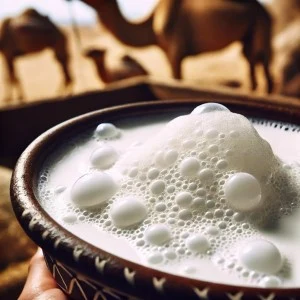
Camel milk, long consumed in Middle Eastern and North African cultures, is now gaining attention worldwide for its health benefits. Often considered a superfood, camel milk is rich in nutrients, including vitamin C, iron, zinc, and B vitamins, which support immunity, brain function, and energy levels.
Compared to cow’s milk, camel milk is lower in fat and lactose, making it easier to digest for people with lactose intolerance. It also contains A2 casein, which is gentler on the digestive system and less likely to trigger allergies.
Camel milk is known to strengthen the immune system thanks to its antibodies and immunoglobulins. Probiotics in the milk support gut health, helping with digestive issues like IBS. Some studies suggest camel milk may help regulate blood sugar due to insulin-like proteins, offering potential benefits for people with diabetes. Its anti-inflammatory properties are also being explored for managing autism symptoms.
Beyond nutrition, camel milk can improve skin health because of its high vitamin C and elastin content, helping maintain elasticity and reduce wrinkles.
Environmentally, camel milk is a sustainable choice. Camels require fewer resources than cows, making camel milk an eco-friendly dairy option, particularly in arid regions.
Overall, camel milk is a nutritious, versatile, and sustainable alternative to traditional dairy, offering benefits for digestion, immunity, blood sugar management, and skin health. Its growing popularity highlights its potential as a natural superfood for health-conscious individuals around the world. Reference
Fujairah Research Centre