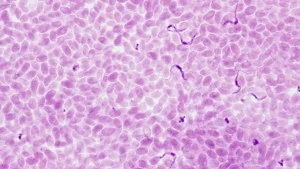
Camels are vital to many communities, providing transportation, milk, meat, and supporting camel racing traditions. However, they can be affected by diseases, one of the most serious being Trypanosoma evansi infection, also known as Surra.
Surra is a parasitic disease transmitted primarily by biting flies. Unlike other trypanosome parasites, T. evansi can infect a wide range of mammals, which makes it highly adaptable and widespread.
In camels, the parasite enters the bloodstream through the bite of an infected fly and multiplies in the blood and tissues. This can cause fever, anemia, weight loss, swollen lymph nodes, edema, and in severe cases, nervous system issues like uncoordinated movements or paralysis. Chronic infections can lead to significant economic losses if not treated.
Diagnosing Surra can be difficult, especially in early stages when symptoms may be subtle. Common diagnostic methods include microscopic examination of blood samples.
Prevention is critical to protecting camel herds. Key measures include controlling flies, regular blood screening, and quarantining new or sick animals. These steps help maintain herd health and reduce the risk of economic losses.
By understanding Surra and implementing preventive strategies, camel herders can safeguard their animals and ensure the sustainability of this important livestock. Reference
Fujairah Research Centre