Deserts are among the harshest ecosystems on Earth, where high temperatures, intense sunlight, and limited water make survival a challenge for plants. Yet, desert plants have developed remarkable strategies to thrive in these conditions.
Morphologically, many desert plants have large underground roots compared to their above-ground parts. This allows them to absorb more water and nutrients. Their leaves are often small, compound, or adapted to store water, reducing water loss and helping them survive dry periods.
Physiologically, desert plants have adapted how they handle water and photosynthesis. Some perform photosynthesis during the day, while others are more active at night to avoid heat and excessive sunlight. Stomata, the tiny pores on leaves, also function differently to reduce water loss.
Desert plants also show diversity in seeds. While most plants produce one type of seed, many desert plants can produce multiple seed types, some buried in the soil and others left exposed. This strategy increases the chances of survival in unpredictable conditions.
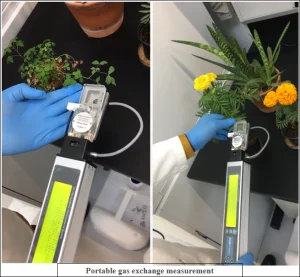
To study these adaptations, researchers use non-invasive tools that monitor plant behavior in real-time without disturbing them. These methods help scientists understand how desert plants cope with extreme environmental stress and survive in their natural habitats.
Reference:
Fujairah Research Centre