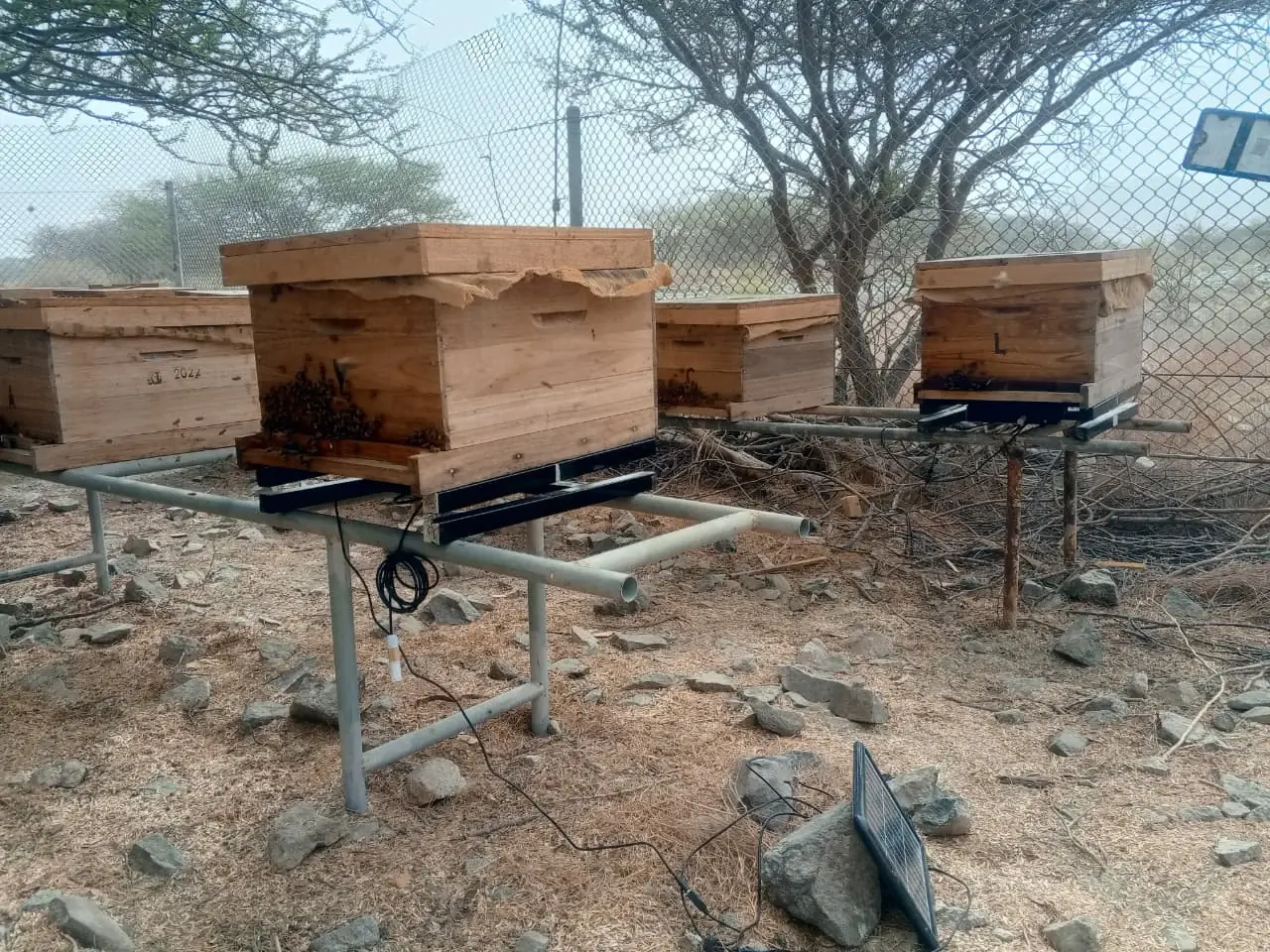
Honey is more than just a natural sweetener—it reflects the land, climate, and plants from which it comes. In the United Arab Emirates, honey has a unique character because it is produced in a desert environment rich with resilient native plants. The flowers that bees visit play a major role in shaping honey’s flavor, color, texture, and health benefits.
Bees collect nectar from flowering plants, and each plant contributes different natural compounds to the honey. In the UAE, well-known nectar sources include Sidr (Ziziphus spina-christi), Ghaf (Prosopis cineraria), Acacia trees, and seasonal desert wildflowers. These plants have adapted to harsh conditions such as high temperatures and limited water, making their nectar especially rich and distinctive.
The botanical origin of honey directly affects its quality. Honey produced from different plants varies in taste, color, and nutritional value. For example, Sidr honey is highly valued for its rich flavor and medicinal properties. Ghaf honey often has a darker color and a slightly smoky taste, while Acacia honey is lighter, smoother, and mildly sweet.
Beyond flavor, floral sources also influence honey’s health benefits. Some types of honey naturally contain higher levels of antioxidants and antibacterial compounds, which support immunity and overall well-being. The type of nectar can also affect how quickly honey crystallizes and its overall texture.
Understanding where honey comes from is important for ensuring authenticity and quality. One scientific method used to identify honey’s origin is pollen analysis. Tiny pollen grains found in honey reveal the flowers visited by bees, helping experts trace the honey back to its plant sources. This process helps protect consumers from adulterated or mislabeled honey, especially premium varieties.
Local flora also plays a key role in sustainable beekeeping. In desert environments, bees depend on carefully preserved native plants for survival. Supporting and planting nectar-rich trees and flowers helps maintain healthy bee populations and ensures consistent honey production throughout the year.
Protecting native plants such as Sidr and Ghaf is not only beneficial for honey production but also for the environment. These plants support biodiversity, reduce desertification, and help ecosystems adapt to climate change. As weather patterns shift, understanding flowering seasons and nectar availability becomes increasingly important for the future of beekeeping. Reference
Fujairah Research Centre