The Fragility of Nature-Based Solutions (NbS)
In the GCC, we see a recurring and expensive pattern: mangrove restoration, coral rehabilitation, or aquaculture pilots succeed brilliantly in year one, only to vanish by year three. These projects are high-visibility and carry immense environmental promise, but they are often managed as "one-off" events rather than long-term R&D challenges. Without a governance model that manages biological data, they become "Sustainability Theatre."
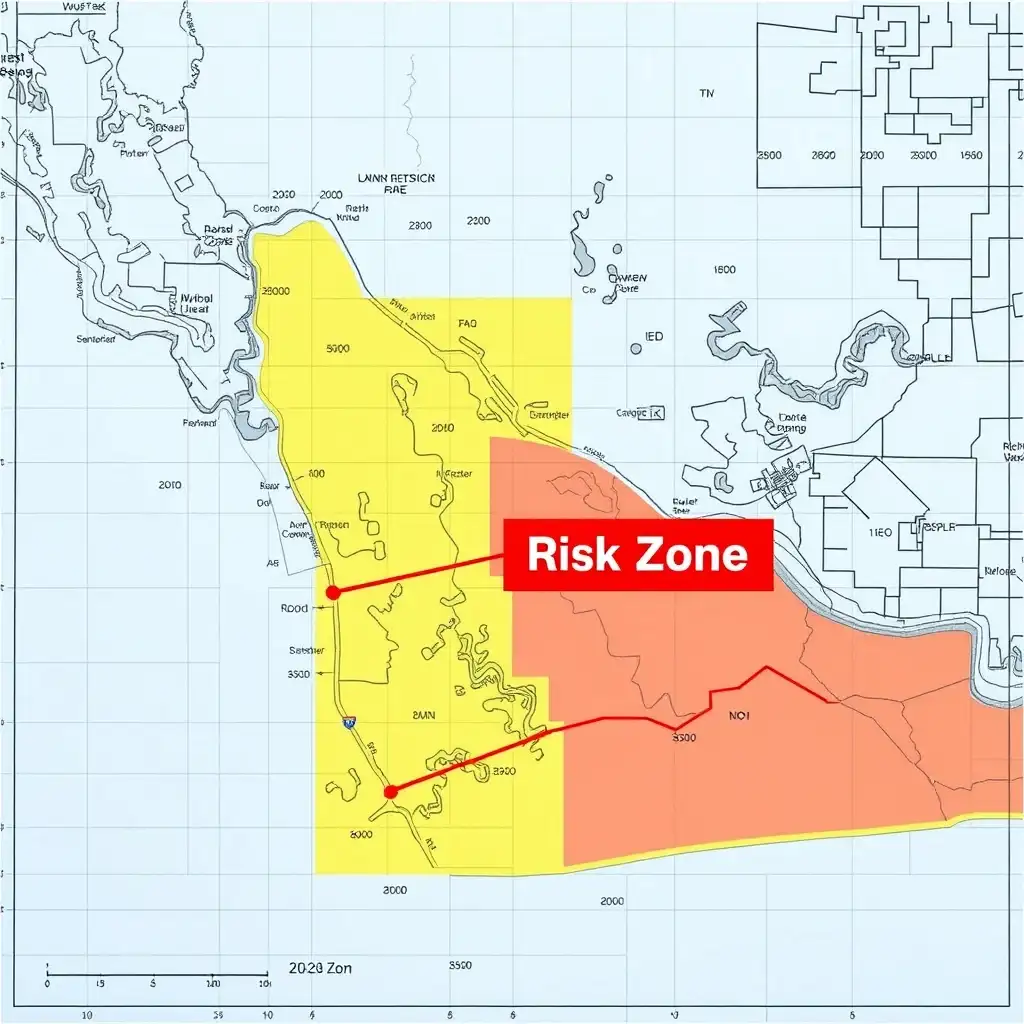
The Governance of Biological Constraints
Unlike software or hardware R&D, nature-based solutions operate under irreversible biological and environmental constraints. If your R&D strategy doesn't account for the long-term survival data or the regulatory hurdles of coastal management, you are funding a project that is destined to collapse once the initial pilot funding ends. This creates a "Data Gap" where the ESG report claims success while the field data shows decline.
This Moving Beyond "Planting" to "Impact"
For a senior leader, a failed ecosystem project is a public liability. To avoid this, governance must intervene at the pre-funding stage. You must move from measuring "activities" (how many mangroves were planted) to measuring "outcomes" (how many hectares were restored and survived). True authority in this space is found in the applied environmental research that identifies these risks before they become irreversible mistakes.
Decision-Maker Q&A: Securing Environmental R&D
Why does the survival rate of NbS projects drop when funding increases?
Because scaling an ecosystem requires different governance than starting one. Most pilots fail to account for the environmental stressors that appear only at scale.
How do we avoid "Greenwashing" claims in marine projects?
By ensuring that every restoration claim is backed by an independent technical review and a data-driven R&D framework that can withstand a professional audit.
What is the first sign of a failing Nature-Based Solution?
When the technical team and the ESG reporting team are no longer using the same data sets to define "success."
Final Takeaway: Don't fund the narrative of restoration; fund the science of survival.
Explore Our Marine and Aquaculture R&D Strategy here