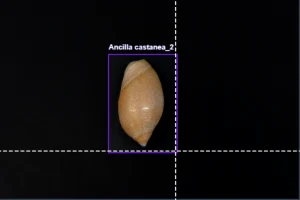
Seashells provide important insights into marine ecosystems, but traditional identification methods can be slow and prone to error. In Fujairah, home to a diverse range of marine life along the Gulf of Oman, researchers are now using artificial intelligence (AI) to speed up and improve seashell identification.
Over 135 seashell species were collected to better understand the region’s marine biodiversity. Manual identification requires experts to examine each shell’s physical features, which can take hours per specimen. AI uses machine learning to analyze images, identifying species based on shell patterns, shapes, and colors. This approach is faster, more accurate, and consistent, while also allowing researchers to process large datasets efficiently.
Although AI greatly enhances identification, it still relies on human expertise for complex tasks. It cannot fully replace human judgment in ecological studies but frees scientists to focus on broader environmental analysis. By combining AI with traditional research methods, marine studies in Fujairah can become more comprehensive, helping address larger issues like climate change and marine pollution.
AI is transforming the way seashells are studied, paving the way for more efficient, accurate, and sustainable marine research in the future. Reference
Fujairah Research Centre