Marine ecosystems face increasing threats from climate change, pollution, and human activity. One innovative way to protect and restore these environments is through the use of artificial reefs and coral gardening. These structures provide a habitat for marine life and support the regrowth of coral colonies, helping to rebuild biodiversity in the ocean.
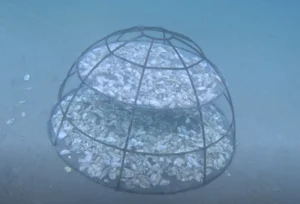
Artificial reefs are carefully designed and deployed in shallow coastal areas to benefit from sunlight and protection. Materials such as bio-cement bricks, metal structures, oyster shells, and even date palm elements are arranged to create a variety of surfaces and shelters. Pyramid-shaped structures maximize contact areas for corals, while cavities provide homes for fish, invertebrates, and other marine species.
Coral gardening involves cultivating coral fragments in nurseries before transplanting them onto artificial reefs. Oyster shells are often used to enhance coral growth, following circular economy principles. Fragments are selected based on environmental conditions to ensure they can thrive sustainably, resist temperature changes, and adapt to local water quality.
These reefs not only provide shelter for marine animals but also encourage natural growth of algae, sponges, mollusks, and other species, gradually restoring the ecosystem. Over time, these areas become self-sustaining and resilient, attracting a wide range of marine life.
Marine conservation efforts aim to expand artificial reef coverage, creating thousands of square meters dedicated to supporting corals and other marine organisms. By combining innovative structures and coral gardening techniques, these projects help repopulate marine biodiversity, reduce stress on popular dive sites, and offer long-term protection for the region’s aquatic ecosystems. Reference
Fujairah Research Centre