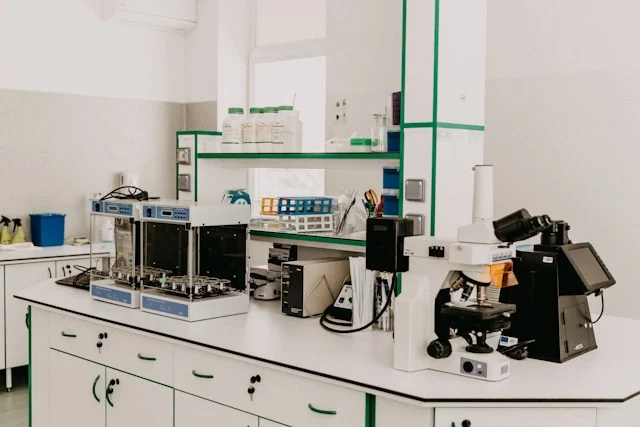
For decades, research infrastructure meant laboratories, instruments, and physical facilities. Today, that definition is incomplete. Digital infrastructure is no longer supportive—it is foundational. Without it, modern research cannot scale, collaborate, or deliver impact.
Research Has Become Data-Driven
Across science, engineering, and environmental research, data volumes are growing exponentially. Sensors, simulations, remote sensing, and AI now generate more data than traditional workflows can handle.
Compute and Storage Are Scientific Enablers
High-performance computing, cloud platforms, and secure storage are not IT conveniences. They determine what questions can be asked, how fast results are produced, and whether research is reproducible.
Collaboration Depends on Digital Platforms
Research is increasingly distributed across institutions, countries, and disciplines.
Infrastructure Enables Collaboration at Scale
Shared databases, digital twins, version control, and collaborative platforms allow teams to work together in real time. Without interoperable systems, collaboration slows and knowledge fragments.
Digital Infrastructure Shapes Research Quality
Poor digital foundations lead to data loss, inconsistent methods, and irreproducible results.
Governance Is as Important as Technology
Standards, access control, cybersecurity, and data governance define trust in research outputs. Weak digital governance undermines credibility, regardless of scientific quality.
Digital Capacity Determines Impact
The ability to translate research into policy, products, or public value depends on digital readiness.
From Research to Application
Visualization tools, APIs, and decision-support systems enable research outputs to move beyond publications into real-world use.
Strategic Implication
Treating digital infrastructure as secondary is a strategic error. It is core research infrastructure, on par with laboratories and instruments. Institutions that invest accordingly will lead. Those that don’t will struggle to remain relevant in a digital-first research landscape.