Sustainable food security in arid climates requires decoupling food production from high water consumption. The Fujairah Research Centre (FRC) utilizes Recirculating Aquaculture Systems (RAS) to achieve this, employing a closed-loop technology that filters and reuses up to 99% of its water. This article examines the biological and mechanical engineering that allows RAS to maintain high-density aquatic life with minimal environmental impact.
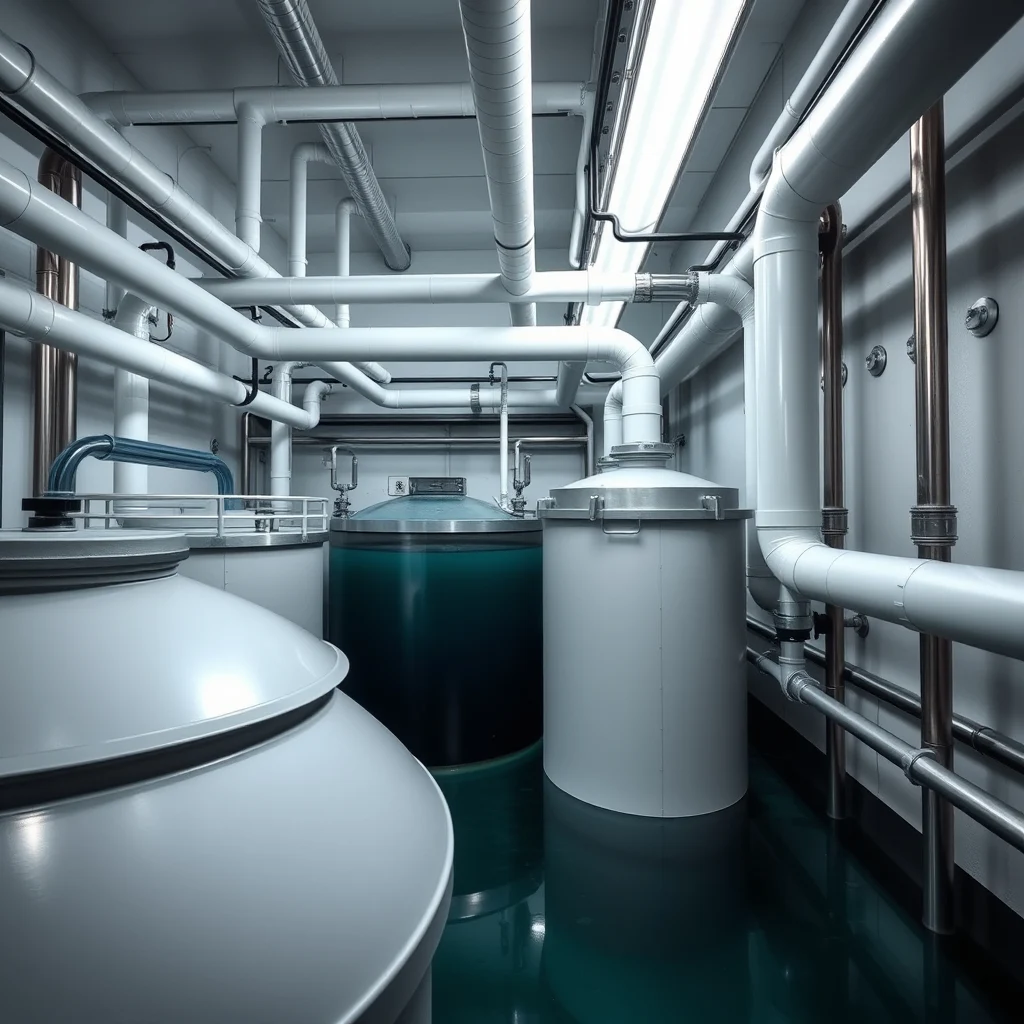
The Mechanism of Water Recovery and Solid Waste Management
Unlike traditional flow-through systems that constantly draw and discharge water, RAS operates as a self-contained ecosystem. The primary technical challenge is the continuous removal of metabolic waste products—specifically ammonia and carbon dioxide—before they reach toxic concentrations. This process begins with mechanical filtration.
Using drum filters or swirl separators, the system removes solid waste such as uneaten feed and fish feces immediately. This step is critical because organic solids consume vast amounts of dissolved oxygen as they decompose. By extracting these solids within minutes of production, the system preserves the oxygen levels required for the fish and prevents the premature breakdown of organic matter into harmful dissolved nitrogen.
The Biological Heart of the System
Once solids are removed, the water enters the biological filtration stage, or biofiltration. This is the most complex component of Recirculating Aquaculture Systems (RAS). It relies on a process called nitrification, performed by specialized aerobic bacteria housed on high-surface-area plastic media.
Two primary groups of bacteria are managed here: Nitrosomonas, which oxidize toxic ammonia into nitrite, and Nitrobacter, which further oxidize nitrite into relatively harmless nitrate. This biological conversion is highly sensitive to pH, temperature, and dissolved oxygen levels. If the biofilter’s microbial community is disrupted, ammonia levels can spike rapidly, leading to "New Tank Syndrome" and potential stock loss. Therefore, FRC engineers must maintain strict environmental stability to keep these microscopic colonies functioning at peak efficiency.
Pathogen Control and Biosecurity Protocols
Because RAS is a closed environment, preventing the introduction of pathogens is paramount. Unlike open-sea cages, where diseases can spread to wild populations, RAS provides a biosecure barrier. FRC employs UV Sterilization and Ozone Treatment to disinfect the circulating water.
UV systems work by emitting specific wavelengths of light that penetrate the cell walls of microorganisms, disrupting their DNA and preventing reproduction. Ozone, a powerful oxidizing agent, breaks down organic molecules and kills pathogens on contact. These technologies allow for the production of healthy aquatic life without the use of chemical antibiotics or growth hormones, ensuring the final product is both safe for consumption and ecologically responsible.
Precision Monitoring through Real-time Sensing
To maintain the delicate balance of the closed-loop system, FRC integrates automated water quality sensors. These sensors provide a constant stream of data on dissolved oxygen, pH, temperature, and salinity levels. In a high-density RAS environment, dissolved oxygen can be depleted in minutes if a pump fails.
By monitoring these parameters in real-time through an integrated control system, the facility can automatically adjust pure oxygen injection or filtration flow rates to compensate for changes in fish metabolism or environmental shifts. This level of precision engineering minimizes biological stress and prevents system failures, creating a stable environment for the intensive rearing of native species.
Frequently Asked Questions
How does RAS save water compared to traditional fish farming methods?
Traditional flow-through farms require a constant supply of fresh water to flush out waste, whereas Recirculating Aquaculture Systems (RAS) use a series of mechanical and biological filters to clean and reuse the same water. This allows the facility to recycle over 95% of its total water volume, making it the most water-efficient method for desert-based aquaculture.
What is the specific role of a biofilter in a closed-loop system?
A biofilter acts as a living chemical processor. It provides a home for beneficial nitrifying bacteria that eat the toxic ammonia produced by fish waste. These bacteria convert the ammonia into nitrate, which is significantly less toxic, allowing the water to stay safe for the fish as it recirculates through the tanks.
Why is UV sterilization used instead of traditional chemical treatments?
UV sterilization is a physical process that neutralizes bacteria and viruses by damaging their DNA without adding any chemicals to the water. This is safer for the fish, the environment, and the end consumer, as it eliminates the need for antibiotics while maintaining a high level of biosecurity within the system.