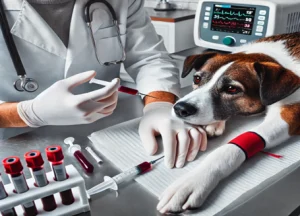
Lactate Testing: A Key Tool for Monitoring Oxygen and Metabolic Health Lactate is a substance produced by the body when it shifts from oxygen-dependent (aerobic) to oxygen-limited (anaerobic) metabolism. It is mainly formed in muscles and red blood cells and removed by the liver. Measuring lactate levels in the blood provides important information about oxygen delivery and metabolic stress in the body.
High lactate levels, known as hyperlactatemia, can occur during intense exercise, when the body’s energy needs exceed oxygen supply. They can also indicate medical problems such as oxygen deprivation, infections, metabolic disorders, or organ dysfunction.
Common causes of elevated lactate include:
Low oxygen levels (hypoxia): Heart or lung diseases can reduce oxygen delivery to tissues.
Severe infections (sepsis): Inflammatory responses can impair oxygen flow.
Tissue ischemia: Blocked blood flow from trauma or arterial disease limits oxygen to tissues.
Metabolic disorders and toxins: Certain diseases, medications, or toxins can interfere with normal lactate metabolism.
In veterinary medicine, lactate testing is especially valuable in emergencies. For example, high lactate levels can signal poor intestinal blood flow in horses with colic or indicate severe shock or respiratory distress in dogs and cats. By monitoring lactate, veterinarians can make informed decisions, guide treatments, and improve patient outcomes.
Lactate testing is a simple yet powerful diagnostic tool that helps identify oxygen and metabolic imbalances early, ensuring timely intervention for both animals and humans. Reference
Fujairah Research Centre