The sustainability of regional food systems depends heavily on the climate resilience of native pollinators. At the Fujairah Research Centre (FRC), the focus is on honeybee genomics to understand how the native honeybee, Apis mellifera jemenitica, survives extreme heat. By utilizing molecular biology, researchers are identifying the specific genetic markers that define environmental adaptation.
The Science of Genetic Characterization
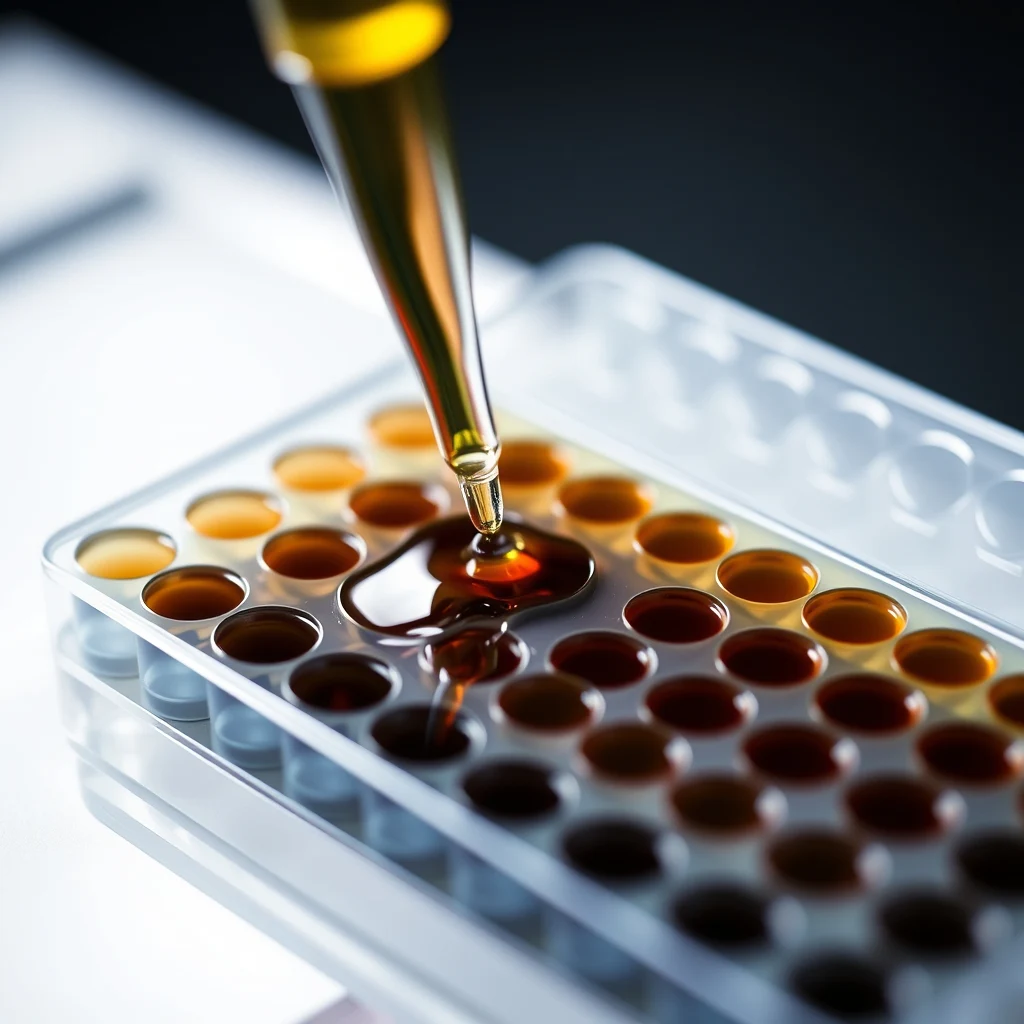
To protect native bees from being replaced by imported breeds, scientists must first establish a genetic baseline for these species. FRC utilizes DNA barcoding and Microsatellite Analysis to differentiate indigenous populations from hybrids.
This process involves extracting DNA from bee tissue and amplifying specific regions of the genome. This "fingerprinting" ensures that conservation efforts are directed toward pure local lineages that possess thousands of years of evolutionary adaptation to the Arabian Peninsula's climate.
Identifying Thermal Tolerance Traits
The core of the research involves looking for Single Nucleotide Polymorphisms (SNPs)—small variations in DNA—that correlate with thermal tolerance. By comparing the genomes of colonies that thrive in peak summer temperatures against those that do not, researchers isolate genes responsible for survival:
Protein Protection: Identifying how certain genes help protect cellular structures from melting or deforming during extreme heat.
Biological Efficiency: Mapping the genetic drive that allows certain lineages to remain active and forage during high-temperature windows when other bees cannot.
Data-Driven Conservation
The data gathered through honeybee genomics is used to inform scientifically-backed breeding programs. By identifying "high-resilience" queens at a molecular level, FRC provides the technical foundation needed to strengthen the local apiculture industry. This ensures that the bees of the future are better equipped to handle the increasing pressures of a warming climate.
Future research directions in honeybee genomics are poised to significantly advance our understanding of pollinator resilience, with far-reaching implications for regional food security and sustainable agriculture. Cutting-edge genetic sequencing technologies, combined with sophisticated bioinformatics tools and innovative molecular techniques, enable researchers to decode the complex genetic makeup of honeybees, identifying key genes linked to disease resistance, climate adaptability, and overall hive health. These insights not only deepen scientific knowledge but also inform practical strategies to enhance pollinator populations critical for crop production. By integrating multidisciplinary data and refining analytical methods, future studies will contribute to developing targeted interventions that bolster honeybee survival against environmental stressors, ultimately supporting resilient ecosystems and ensuring food stability at regional and global scales.
Frequently Asked Questions
Why is it important to identify "pure" native honeybee lineages?
Native bees like Apis mellifera jemenitica have evolved over thousands of years to survive the UAE’s extreme heat. Identifying pure lineages through DNA barcoding ensures that these unique survival traits aren't lost through cross-breeding with imported species that are less adapted to the desert.
What exactly are "Genetic Markers" in this research?
Genetic markers are specific locations or "signposts" in the DNA. By studying these, scientists can identify which bees carry the specific genes responsible for traits like heat tolerance or resistance to local diseases.
How does this molecular research help local beekeepers?
It takes the guesswork out of breeding. Instead of waiting years to see which colonies survive, honeybee genomics allows researchers to identify high-resilience queens at a molecular level, helping beekeepers maintain healthier, more productive hives in a warming climate.
Can these genetic findings be used for other species?
Yes. The molecular techniques used—such as SNP analysis and DNA extraction—form a technical framework that can be applied to other native UAE flora and fauna to help them adapt to climate change.