The United Arab Emirates is known for its harsh climate, yet it is home to a remarkable range of plant and animal life. In Fujairah, native Acacia trees play an important role in supporting local wildlife, especially the Arabian tahr—an iconic mountain species native to eastern Arabia.
The Arabian tahr depends heavily on the vegetation available in its natural habitat. As a browsing animal, it feeds on shrubs, tree leaves, grasses, and fruits. Because the species has a limited geographic range and specific dietary needs, identifying nutritious and resilient native plants is essential for its survival.
Two Acacia species—Acacia tortilis and Acacia ehrenbergiana—are well adapted to Fujairah’s dry and rocky environment. These trees remain productive even under extreme heat and low rainfall, making them reliable food sources for wildlife.
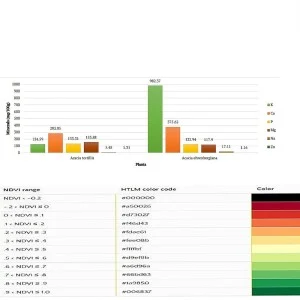
Studies examining the nutritional value of these Acacia species show that both provide important nutrients needed for animal health. Their leaves and pods contain protein, natural sugars, digestible nutrients, and essential minerals such as potassium, calcium, magnesium, and phosphorus. These nutrients support muscle function, bone strength, and overall vitality in grazing and browsing animals.
Among the two species, Acacia ehrenbergiana has been found to offer higher mineral content, particularly potassium and calcium, making it especially beneficial for the Arabian tahr. Importantly, both plants are safe for consumption and free from harmful heavy metals.
To better understand where these trees grow, satellite imagery has been used to map vegetation across Fujairah during the flowering season. By tracking changes in plant cover over time, researchers can observe how vegetation responds to seasonal rainfall and temperature changes. These maps help identify areas where native plants thrive and where conservation or restoration efforts may be needed.
Vegetation coverage in Fujairah naturally fluctuates throughout the year, with greener areas expanding after rainfall and shrinking during hotter, drier months. Understanding these patterns is essential for managing wildlife habitats and ensuring that food sources remain available for species like the Arabian tahr. Reference
Fujairah Research Centre