Coral reefs are one of the most important ecosystems in the ocean. They support marine life, protect coastlines from waves and storms, and provide food and income for millions of people worldwide. However, coral reefs are under serious threat due to rising sea temperatures, pollution, ocean acidification, and human activities.
To help restore damaged reefs, scientists and marine specialists use coral restoration techniques that support coral growth and improve their ability to survive harsh conditions. These techniques fall into two main categories: sexual and asexual reproduction.
Sexual reproduction happens naturally when corals release eggs and sperm into the water, usually once a year. This process creates genetic diversity, which helps corals adapt to environmental changes. However, it occurs rarely and takes a long time to produce new reefs.
Asexual reproduction, known as fragmentation, is more commonly used in restoration projects. In this method, small pieces are taken from healthy coral colonies. These fragments have a strong ability to regenerate and grow into new coral colonies.
Step 1: Coral Fragmentation
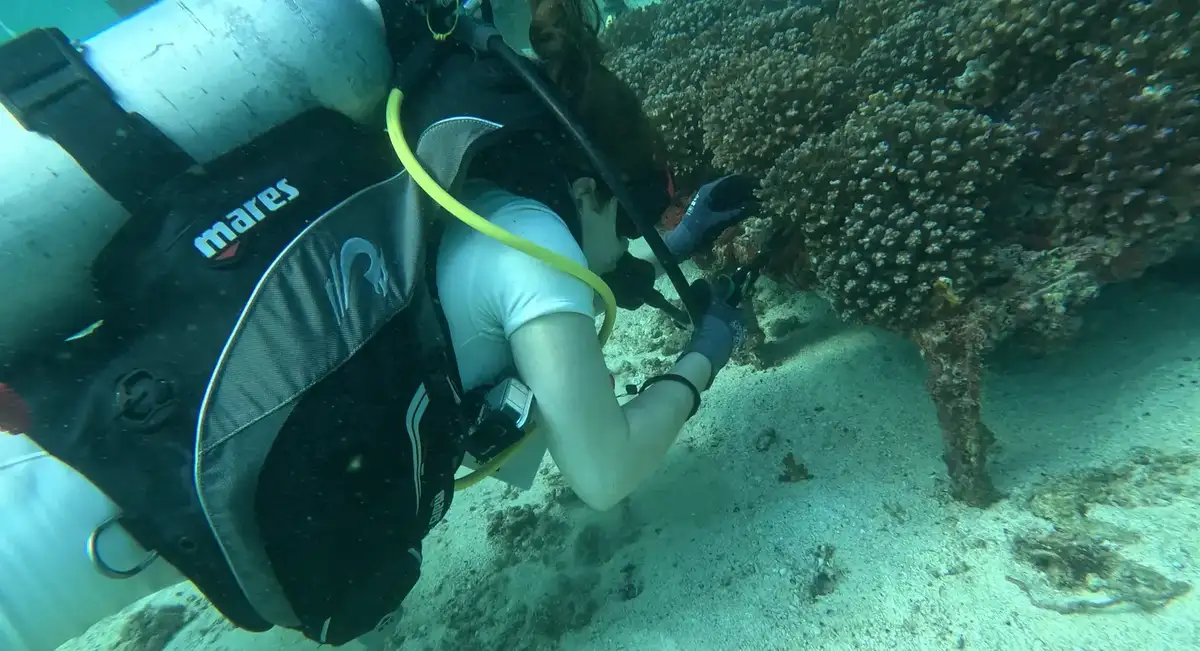
Trained divers carefully collect small coral branches from healthy corals. These fragments are handled gently and kept in seawater to protect them from stress.
Step 2: Coral Nurseries
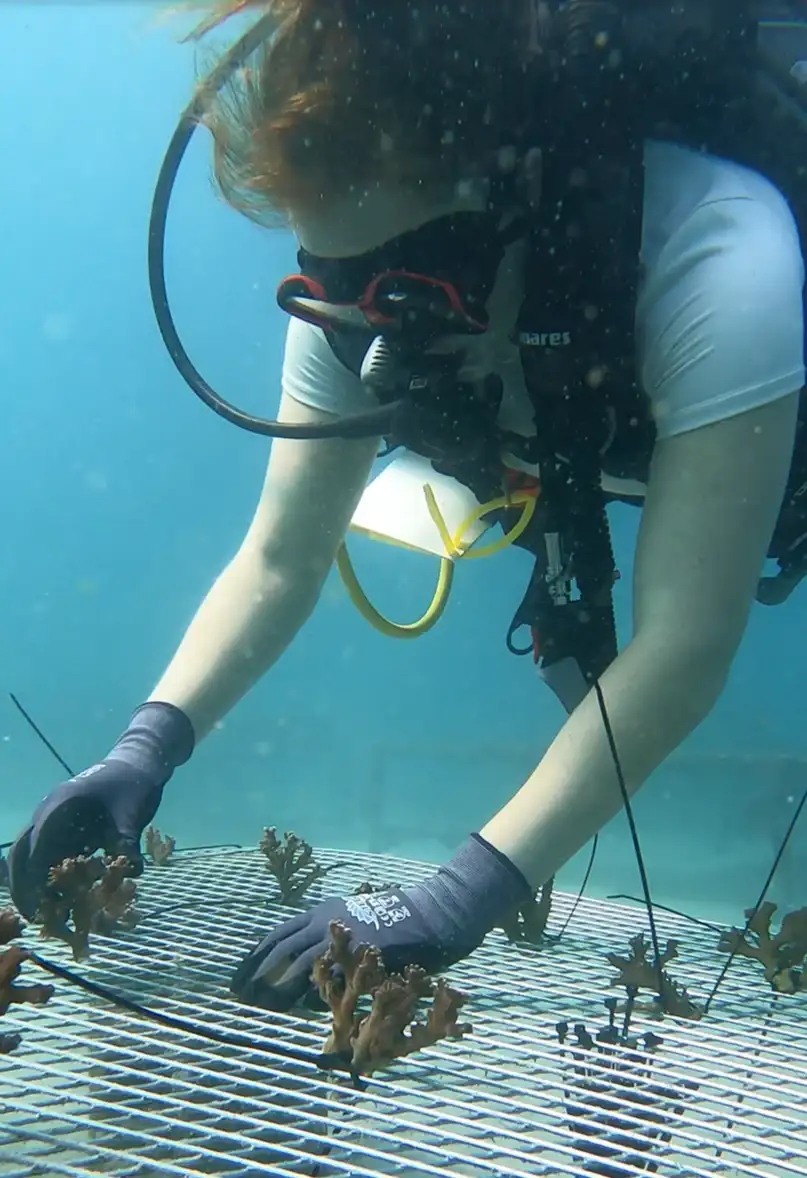
The coral fragments are attached to underwater structures such as ropes or frames in coral nurseries. Here, they grow and strengthen under regular monitoring. Water quality and environmental conditions are also checked to ensure healthy growth.
Step 3: Final Transplantation
Once mature, the corals are transplanted to damaged reef areas. Site selection is carefully planned based on depth, light, and water quality. Over time, these corals attract marine life and help restore the entire reef ecosystem.
Coral restoration turns damaged underwater areas into living, healthy reefs. Through research, monitoring, and responsible environmental practices, coral reefs can recover and continue supporting marine life and coastal communities for generations to come.
Reference
Fujairah Research Centre