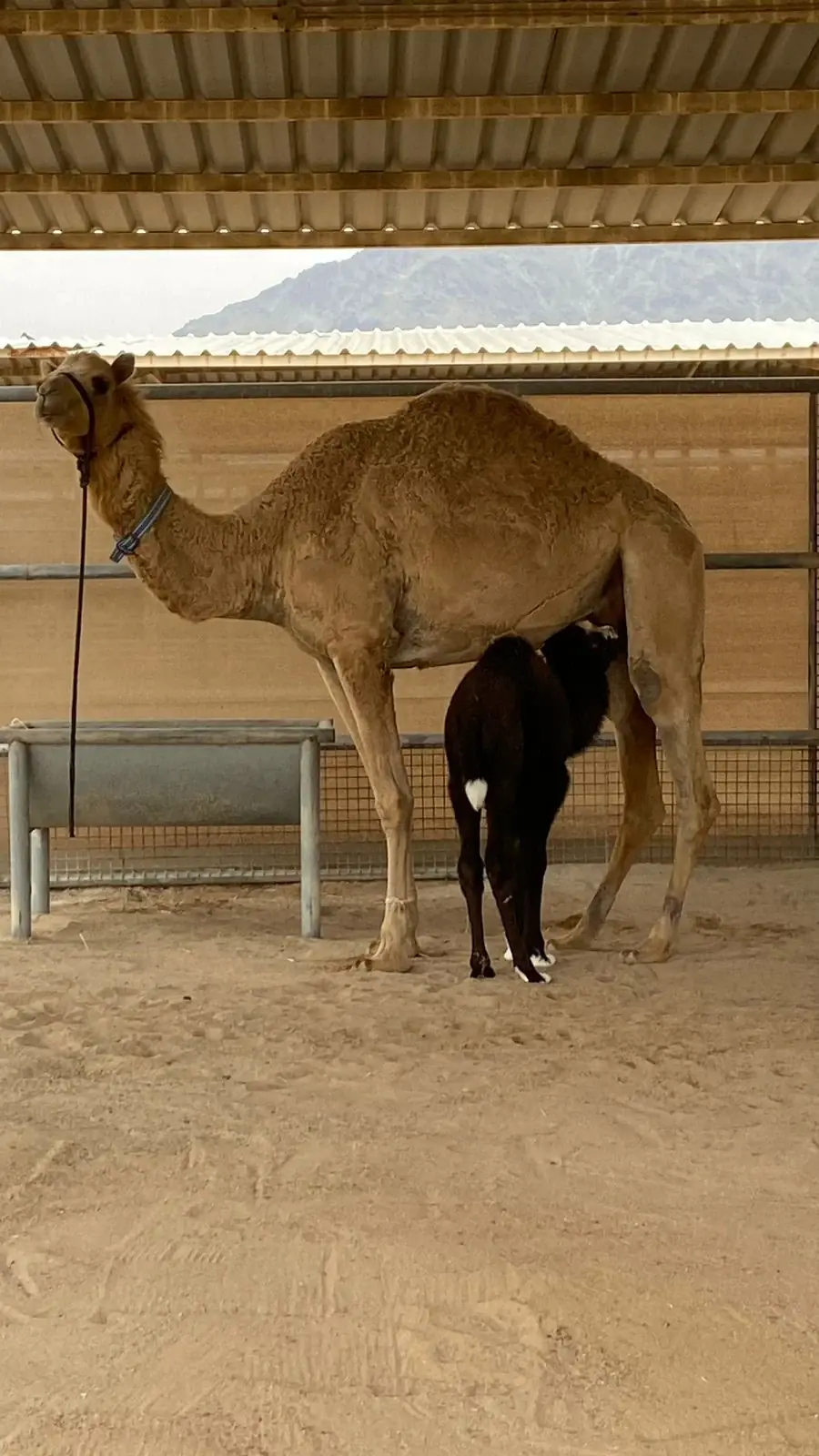
Somatic Cell Nuclear Transfer (SCNT) is an advanced breeding technique that allows animals with superior genetic traits to be cloned. This technology has recently been applied to camels for purposes like racing, beauty competitions, and milk production.
Camel milk is highly valued for its health benefits, but camels naturally produce less milk than cattle, averaging about 6 kg per day. Factors such as delayed puberty and long intervals between calving further limit production, creating high demand for camels with enhanced milk yield.
Cloning depends on the quality of donor cells, typically collected from a skin sample of the selected camel. These cells are used to create a fibroblast cell line, which provides the necessary cells for cloning. In some cases, tissue from deceased camels can also be used, even hours after the animal’s death.
Using these methods, researchers have successfully cloned high milk-producing camels. The process involves collecting eggs from donor camels, fertilizing them in the lab, and transferring the embryos into recipient camels. Pregnancies are then monitored with hormonal tests and ultrasound. Studies show that transferring one or two embryos per recipient yields the best results.
Camel cloning demonstrates the potential of modern science to enhance milk production, preserve valuable genetic traits, and support sustainable animal breeding programs. While promising, it requires careful handling of biological and technical factors to ensure success.
Reference:
Fujairah Research Centre