Mangrove forests are the UAE’s primary natural defense against coastal erosion and a critical tool for carbon sequestration. However, successful restoration requires more than just planting seedlings; it demands sustainable mangrove silviculture—a scientific approach to forest management that ensures long-term survival and genetic diversity. Through strategic collaborations with national environmental authorities, the Fujairah Research Centre (FRC) is pioneering high-tech methods to scale these "Blue Carbon" ecosystems across the nation’s coastlines.
Precision Nursery Management and Acclimatization
The lifecycle of a restored mangrove begins in the nursery, where FRC engineers and biologists work together to optimize early-stage growth. Unlike traditional methods, FRC utilizes automated irrigation systems that mimic the natural tidal cycle. By exposing seedlings to varying salinity levels and ebb-and-flow water patterns, the plants undergo "pre-conditioning." This process significantly increases survival rates once the seedlings are moved from the controlled nursery environment to the high-salinity intertidal zones of the Arabian Gulf.
Drone-Assisted Seeding and Geospatial Mapping
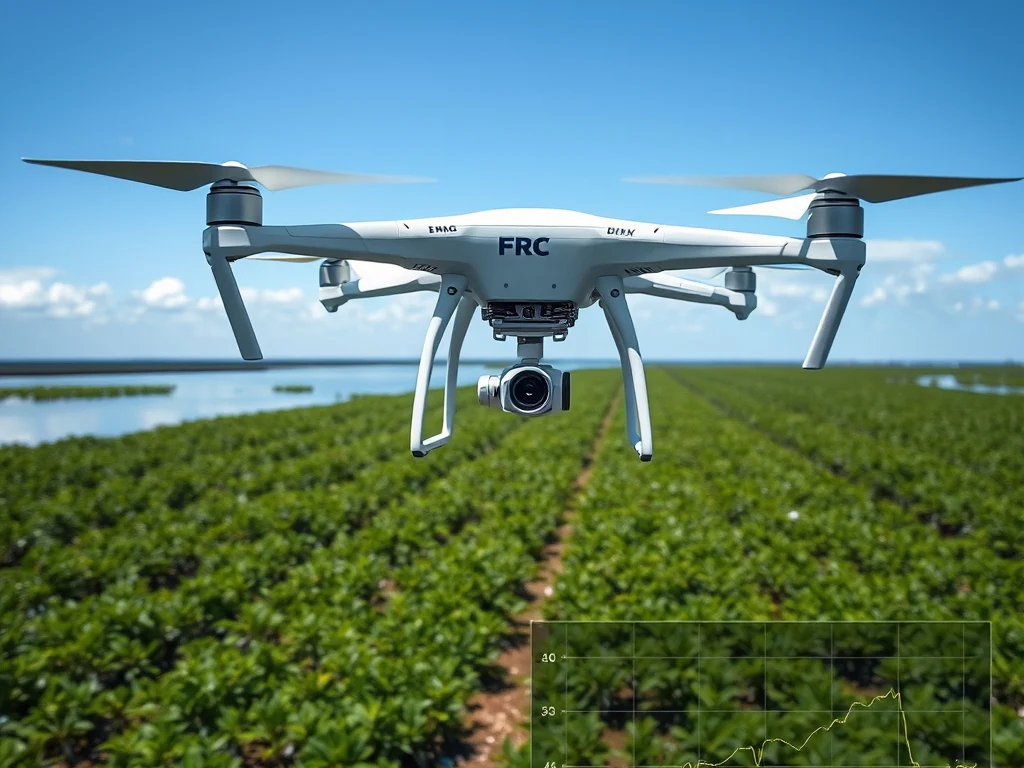
To meet the UAE’s ambitious environmental goals, manual planting is being augmented by drone-assisted seeding technology. FRC integrates these drones with specialized dispersal mechanisms that launch "seed pods" into pre-mapped locations.
This process is guided by the Satellite Imagery for Mangrove Carbon Sequestration techniques we have developed, allowing our teams to identify areas with the highest potential for sediment stability and nutrient availability. By combining satellite data with drone precision, FRC can reforest vast areas that were previously inaccessible to ground teams.
Collaborative Ecosystem Monitoring
The success of FRC’s silviculture program is rooted in its partnerships with local government bodies and international ecological experts. This collaboration ensures that restoration projects are integrated into broader national environmental policies. To verify the health of these newly planted forests, FRC utilizes Environmental DNA (eDNA) Marine Monitoring to track the return of marine biodiversity. This holistic approach proves that mangroves are not just carbon sinks, but the foundation of a thriving, biodiverse blue economy.
Access our Marine & Coastal Consultation Services for expert environmental mapping and large-scale restoration project management.
Frequently Asked Questions
How does FRC choose the locations for new mangrove forests?
We use a combination of historical ecological data and real-time geospatial mapping to identify areas where soil type, tidal range, and wave energy are optimal for seedling survival.
What is "Blue Carbon" and why does it matter for the UAE?
Blue Carbon refers to the carbon stored in coastal and marine ecosystems. Mangroves can store up to four times more carbon than terrestrial forests, making them a central pillar of the UAE’s carbon neutrality goals.
How do drones improve the planting process?
Drones allow us to reach remote mudflats and intertidal zones that are difficult for humans to access, ensuring a much higher "planting density" and faster coverage of degraded coastlines.