Probiotics are beneficial microorganisms that support health by improving digestion, strengthening immunity, and maintaining balance in the gut. Among the most widely studied probiotics are lactic acid bacteria (LAB), which are commonly found in fermented foods such as yogurt, cheese, and pickled products.
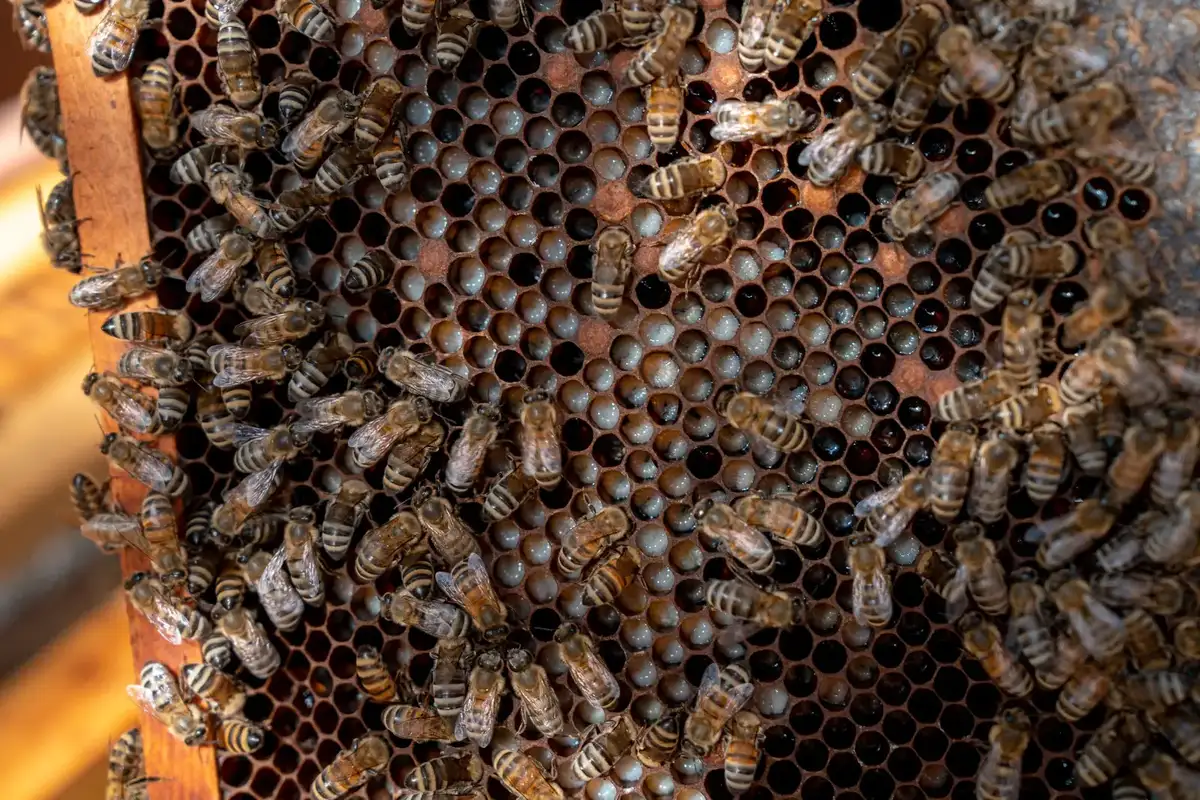
An interesting and less-known source of lactic acid bacteria is the honeybee stomach. This unique environment contains diverse bacterial strains that play an important role in bee health and may also offer benefits for humans and animals. Researchers have explored these bacteria to better understand their probiotic potential and possible applications.
Lactic acid bacteria are considered safe and are widely used in food and health products. To be effective as probiotics, they must survive harsh conditions such as stomach acid, attach to the gut lining, and provide functional benefits. One important feature of LAB is their antioxidant activity, which helps protect cells from damage caused by harmful molecules known as free radicals.
Studies show that LAB isolated from honeybee stomachs demonstrate strong antioxidant properties and good adhesion ability, allowing them to function effectively in the digestive system. These bacteria also have excellent fermentation capabilities, making them useful in the production of functional foods that offer health benefits beyond basic nutrition.
In addition to supporting gut health, these beneficial bacteria help maintain a balanced gut microbiota by limiting the growth of harmful microorganisms. A healthy gut microbiota is essential for digestion, immune function, and overall well-being.
The probiotic potential of honeybee-derived LAB also extends to animal health. In beekeeping, beneficial bacteria can help improve honeybee gut health, increase resistance to disease, and support stronger, healthier colonies. This is especially important given the environmental challenges faced by bee populations worldwide.
Overall, lactic acid bacteria from honeybee stomachs represent a promising and natural source of probiotics. Their unique properties highlight the importance of biodiversity in discovering new ways to support health in humans, animals, and food systems. Continued research in this field may lead to the development of innovative probiotic products in the future.
Reference
Fujairah Research Centre