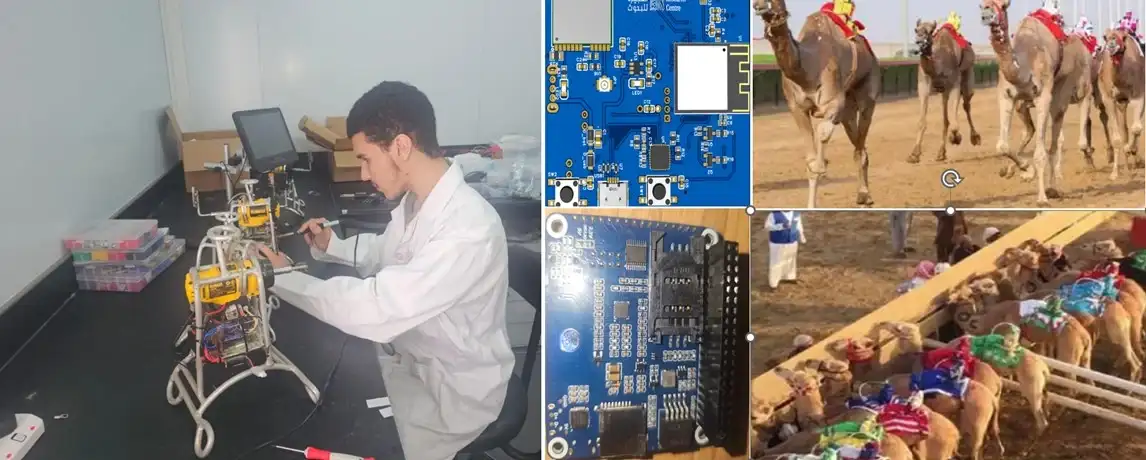
Traditional training has a built-in delay. Trainers observe the camel, reflect after training, and adjust the next session. But many errors happen during the session — when a camel starts showing signs of fatigue, shifts its gait, or loses momentum. Without real-time feedback, the trainer has no way to intervene immediately.
These delays cause:
Missed opportunities to correct technique
Increased risk of unnoticed strain
Inefficient training because feedback comes too late
Excess workload during moments the camel is already stressed
IoT and AI create immediate visibility. Trainers can now:
See performance live on a screen
Receive alerts the moment a problem begins
Stop or modify training instantly
Protect the camel from unnecessary stress
Reinforce good patterns in real time
Real-time feedback transforms training from reactive to proactive. It improves efficiency, reduces risk, and maximizes the impact of every minute spent on the track. This is the same evolution that transformed modern cycling, football, and athletics — and now camel racing benefits from the same leap forward.