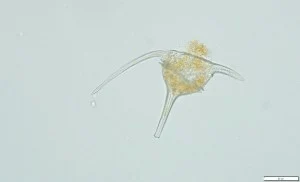
Phytoplankton are tiny plant-like organisms that live in seawater and form the foundation of marine life. Although they are microscopic, they play a major role in ocean ecosystems by supporting the entire food chain. Monitoring phytoplankton in seawater is essential for protecting marine environments, ensuring seafood safety, and safeguarding public health.
Under normal conditions, phytoplankton are harmless and beneficial. However, certain types can produce natural toxins known as marine biotoxins. When environmental conditions change such as warmer water temperatures or increased nutrients some phytoplankton can grow rapidly, forming what are known as harmful algal blooms, often called “red tides.”
Shellfish such as clams, mussels, oysters, and other filter-feeding animals consume large amounts of phytoplankton. When toxic phytoplankton are present, these shellfish can accumulate biotoxins in their tissues without appearing sick. When contaminated shellfish are eaten by humans, serious health problems can occur.
There are several types of shellfish poisoning linked to these toxins. These include paralytic, neurotoxic, diarrhetic, and amnesic shellfish poisoning. Symptoms may range from stomach pain, vomiting, and diarrhea to more severe effects such as memory loss, paralysis, and in rare cases, death. One well-known toxin responsible for amnesic shellfish poisoning is domoic acid.
Regular analysis of phytoplankton in seawater helps detect harmful blooms early. This allows authorities and seafood producers to take action before contaminated shellfish reach the market. Monitoring also helps scientists understand changes in water quality, pollution levels, and the effects of climate change on marine life.
Phytoplankton monitoring is especially important for fisheries and aquaculture. It supports safe shellfish farming, protects consumers, and helps maintain healthy marine ecosystems. By identifying risks early, monitoring programs help prevent economic losses and protect coastal communities.
In summary, phytoplankton analysis is a vital tool for ocean health, food safety, and environmental protection. Continuous monitoring and early warning systems help reduce the risks linked to toxic algae and ensure the long-term sustainability of marine resources.
Reference:
Fujairah Research Centre