Coral reefs are the biological foundations of marine ecosystems, yet they are increasingly threatened by rising sea temperatures. In the UAE, where marine environments face extreme thermal fluctuations, coral reef restoration techniques have moved beyond simple transplantation into the realm of high-precision biological engineering. The Fujairah Research Centre (FRC) is at the forefront of this effort, working in alignment with national environmental goals to identify and propagate corals that can withstand the challenges of a warming climate.
The Science of "Super Corals" and Thermal Resilience
The Arabian Gulf and the Gulf of Oman serve as natural laboratories for heat tolerance. Corals in these regions already survive in temperatures that would cause mass bleaching elsewhere globally. FRC’s research focuses on identifying these "Super Corals" through rigorous phenotypic screening.
By exposing various genotypes to controlled thermal stress in the lab, FRC scientists can identify individuals with the highest genetic resilience. These resilient strains are prioritized for restoration, ensuring that outplanted reefs are better equipped to survive future heatwaves. This scientific selection process is critical for long-term reef survival in the region's unique maritime conditions.
Micro-fragmentation and Land-Based Nurseries
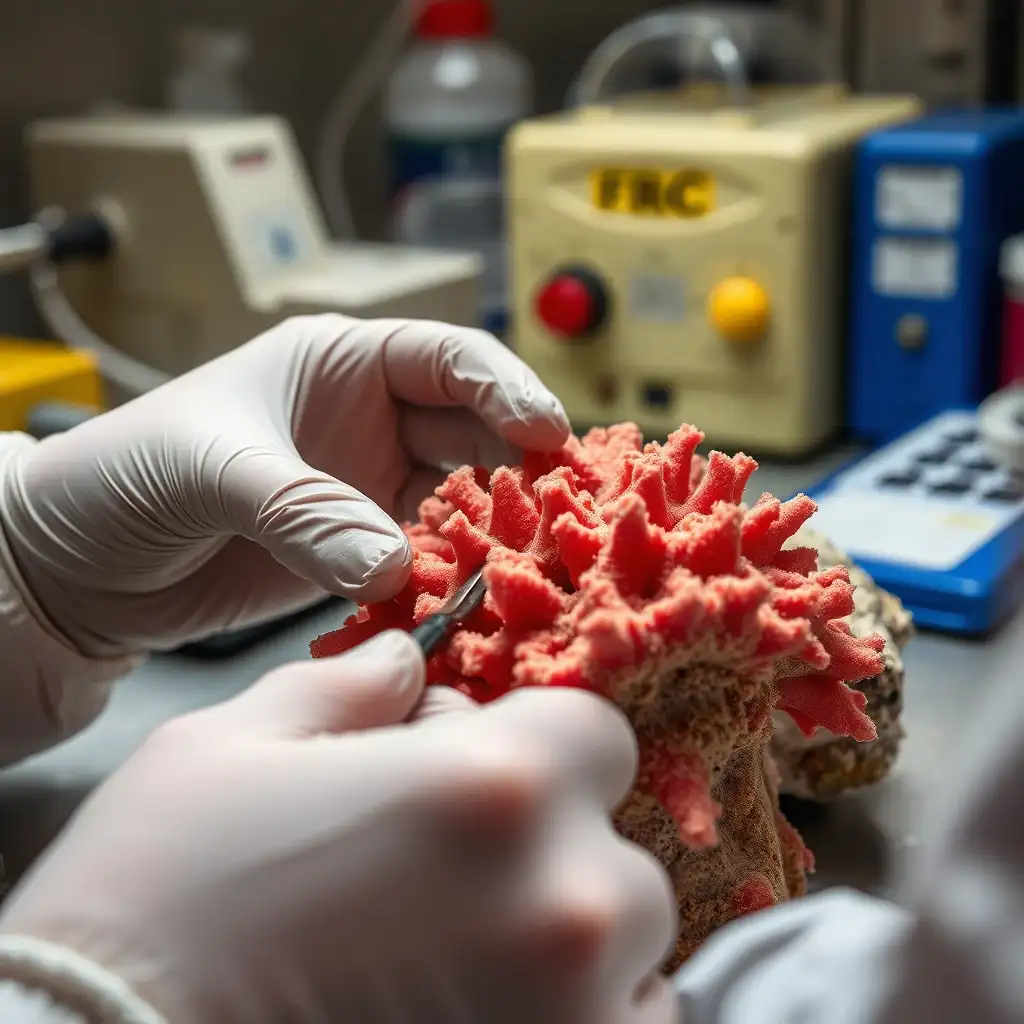
A core technical pillar of FRC’s work is the use of micro-fragmentation. By cutting coral colonies into tiny fragments of just a few polyps, the coral's natural tissue-regrowth response is significantly accelerated.
These fragments are nurtured in FRC’s land-based nurseries, where water quality, light intensity, and nutrient levels are precisely controlled. This controlled environment minimizes the "infant mortality" of young corals. Once these fragments reach a viable size, they are strategically fused back onto degraded reef structures. This method allows FRC to rebuild mature coral cover in a fraction of the time required by natural recruitment.
Collaboration for National Impact
Restoration at this scale is not a solitary effort. FRC’s marine projects are designed to complement the broader conservation frameworks of the UAE. By sharing data and technical expertise with local environmental authorities and international academic partners, FRC ensures that reef rehabilitation is integrated with other critical initiatives, such as Sustainable Mangrove Silviculture. Furthermore, these restored reefs are monitored using Environmental DNA (eDNA) Marine Monitoring to verify the return of biodiversity, ensuring that the structural recovery of the reef translates into a functional ecosystem for local fish populations.
View our Marine Consultation Services to learn how FRC provides turnkey environmental mitigation and ecosystem rehabilitation for coastal developers
Frequently Asked Questions
How does FRC identify which corals are "Super Corals"?
We use laboratory-controlled thermal stress tests to observe how different coral colonies react to high temperatures. The ones that maintain their color and symbiotic algae are identified as heat-tolerant.
What is the benefit of land-based nurseries over ocean nurseries?
Land-based nurseries at FRC allow for total control over environmental variables. We can protect the corals from sudden temperature spikes, predators, and sedimentation, which significantly increases the survival rate.
How does this work benefit the local community in Fujairah?
Healthy reefs act as natural breakwaters, protecting the coastline from erosion. They also support local fisheries and marine tourism, making reef restoration a key component of the UAE’s growing blue economy.